
Europäisches Roulette ist einer der beliebtesten Casinospiele, das sowohl in traditionellen Casinos als auch online gespielt wird. Es ist ein Spiel, das auf Glück und Strategie basiert und sowohl Anfänger als auch erfahrene Spieler dinosite.de anspricht. In diesem Artikel werden wir uns auf das europäische Roulette Continue reading “Europäisches Roulette kostenlos: Ein Expertenleitfaden”
The Ultimate Guide to Machines à Sous Argent Réel Casino
Are you a fan of slot machines and looking to play for real money? Look no further than machines à sous argent réel casino! With a wide variety of games, exciting gameplay, and the chance to win big, these casinos offer the perfect blend of entertainment and rewards for players. In this article, we will explore everything you need to know about machines Continue reading “The Ultimate Guide to Machines à Sous Argent Réel Casino”
Le Programme de Fidélité Casino: Un Guide Complet
Les casinos en ligne offrent de nombreux avantages aux joueurs, et l’un des plus attrayants est le programme de fidélité casino. Ce système permet aux joueurs réguliers de bénéficier de récompenses exclusives et de promotions spéciales en fonction de leur activité de jeu. Dans cet article, nous allons explorer en détail ce qu’est un programme de Continue reading “Le Programme de Fidélité Casino: Un Guide Complet”
Fearless Street Clothing Godspeed Apparel
The Way Apparel Branding Communicates Farewell Through the Word Godspeed
Each era of fashion draws its vocabulary from an earlier time, and street fashion has long depended on words that resonate beyond their character length. Godspeed is one of those words. It persists on tags, across chestprints, and inside brand names exactly because it contains centuries of significance inside four syllables. A brand’s choice of a word like this isn’t mere decoration. It functions as a message about what the garment is meant to express when the person is unable to.
This article looks at where the word traces back to, what it means today, and why a brand shaped by farewell, safeguarding, and forward motion strikes a chord among people browsing for a godspeed shirt or a godspeed hoodie in 2026. As we go we’ll distinguish popular belief from the etymology and contrast how different apparel forms carry that meaning.
Breaking Down the True Meaning of Godspeed
What godspeed signifies originates in Middle English, specifically the phrase “God spede you,” which literally translates to “may God prosper you.” Speed in this older sense had no relation to velocity. It denoted success, fortune, or a positive result. So when someone said godspeed to a traveler in the 1300s, they weren’t wishing them a fast trip — instead they hoped for a successful one.
As time passed the phrase condensed into a single word and changed meaning. By the 16th and 17th centuries, English sailors and soldiers relied on it as a send-off before dangerous voyages or battles. It carried an undertone that the person leaving could fail to come back, so the blessing needed to mean something. This is part of why, even after four hundred years, the word still carries such force.
Today, what is godspeed to most people is a farewell phrase used specifically for significant goodbyes — not a casual “see you later” but something nearer to “I hope this goes well and I hope you come back.” NASA used it before Mercury and Apollo launches. Musicians use it in album titles and lyrics linked with loss or departure. That thread — travel, risk, hope, return — is precisely the emotional ground that clothing brands are channeling when they print the word across fabric.
The Match Between Godspeed NYC the Word and a Clothing Brand
Clothing brands win out when their identity or messaging does more than mark a product; it has to communicate an attitude the wearer wants to carry. God speed clothing fills a specific lane: it expresses resilience, motion, and silent resistance in the face of unpredictability. That’s a different emotional key than a slogan built around aggression or showy prestige. Before it aspires to anything, it turns inward first.
There’s also an aesthetic edge. That single word, godspeed, is built on solid typographic bones — it reads well stacked, arched, or run in a single line across a chest or back panel. Designers drawn to streetwear and gothic-tinged looks gravitate toward words carrying an old-world echo since they photograph well against worn-in fabric, roomy silhouettes, and monochrome color schemes.
Beyond aesthetics, the word does narrative work for a complete apparel range. A single drop can dig into concepts like departure, protection charms, road iconography, or tribute-inspired designs, and that single word, godspeed, pulls all the threads together without needing an explicit tag. Even without articulating the reason, buyers register this connectedness, since the shirts feel like part of one shared narrative.
Godspeed Shirts vs. Godspeed Hoodies: Which One Delivers the Message Better
How a message lands depends on the garment, the impact varies, and godspeed-branded pieces proving no different. A godspeed tee typically serves as a focal piece — lighter, more visible, commonly styled during hotter seasons or layered under jackets letting the graphic show. A godspeed hoodie feels more substantial on the body; the hood on its own carries symbolic meaning, evoking travel, anonymity, and protection, which complements the word’s themes of danger and safe travel.
The way the graphic reads is also shaped by cut and fabric weight. Bold typography picks up more dimension as thicker cotton hoodies retain ink and puff prints more effectively. Fine-line or faded, vintage-style graphics are best suited to softer shirt fabrics, feeling more like a faded blessing than a loud statement. Neither option is inherently “better” — they just serve different functions depending on the outfit.
Throughout streetwear labels in 2026, typical build and usage trends inform how these two garment types tend to work within a godspeed-inspired collection — below is a comparison of this.
| Feature | Godspeed Shirt | Godspeed Hoodie |
|---|---|---|
| Usual heft | Featherweight cotton or a cotton-blend jersey | A denser blended cotton fabric backed with a fleece interior |
| Most suitable season | Great from spring to early fall, useful as a layering piece | Autumn and winter, or even all year in colder regions |
| Print style that suits it | Prints that lean fine-line, distressed, or vintage-wash in style | Striking puff print, embroidery, or large-scale rear prints |
| Symbolic focus | Visibility, statement, everyday wear | Built around protection, blending in, and travel themes |
| Usual way to wear it | Wear it under a jacket, or rock it alone | Worn as an outer layer, with the hood raised for emphasis |
Decoding the Deeper Meaning Within Departure-Inspired Streetwear
Street style culture has for years now leaned on language associated with life’s end, movement, and staying alive — skulls, road signs, compass imagery, and, these days farewell phrases like godspeed. This isn’t shock value. It captures a wider cultural shift where the youth market want apparel that recognizes struggle but doesn’t surrender to gloom. A godspeed tee isn’t saying “farewell for good.” It says “go, and come back.”
That duality — hope stacked on top of risk — explains why the word has held on across the history of the armed forces, the era of spaceflight, and now apparel. It stays elastic enough to describe a soldier, an astronaut, a friend starting over in a new city, or someone quietly getting through a rough stretch. Brands that adopt the word are leaning on that built-in adaptability instead of manufacturing a new meaning from nothing.
A less obvious reason exists as well: parting words photographs and prints well precisely because it leaves room for interpretation. The same godspeed hoodie can be worn by two different people, each meaning something else by it — one could be remembering a friend who’s gone, while another is thinking of a fresh job in a new city. It accommodates either reading without asking for an explanation, which is part of why the look keeps growing into 2026 lines rather than dying out as a single-season fad.
What Naming a Brand Godspeed Does for Identity
When a clothing line names itself Godspeed rather than just printing the word occasionally, it commits to a more complete storyline across each release. That means recurring motifs — routes, wings, guardian symbols, distressed type — start to feel intentional rather than random. Customers begin to expect a certain emotional register from every release, which cultivates allegiance faster than a brand built only around fads.
Choosing a word this old for a brand name also communicates confidence. It tells customers this isn’t a label pursuing a slang word that’ll seem outdated in eighteen months; it’s rooted in something that has already survived four hundred years of language change. That sort of staying power appeals to shoppers who are increasingly skeptical of trend-driven labels constructed around short-lived online phrases.
It further allows for sub-collections to exist. A brand named Godspeed can put out a “departure” capsule, a “protection” capsule, or a “return” capsule, and each one still makes sense under the parent name. With a more literal, narrower brand name, this would be much harder to pull off. Rather than limiting things, the word’s natural ambiguity becomes a genuine design asset.
Selecting a Godspeed Item That Reflects Your Meaning
Every godspeed shirt or hoodie doesn’t necessarily say the same thing, so it helps to study the print and build before committing to one. A subtle, small-scale text logo on a plain shirt feels quiet and private — the kind of piece someone wears because the meaning is private. A bold back-printed hoodie with heavy type reads as a visible declaration, designed to draw attention and questions.
Fabric weight should align with how the piece will in practice be worn. If it’s destined to be an outer layer through fall and winter, a heavier fleece hoodie holds up better over repeated wear and washing than a lightweight shirt would. For warmer months, a mid-weight cotton shirt works as a layering piece and avoids excess bulk entirely.
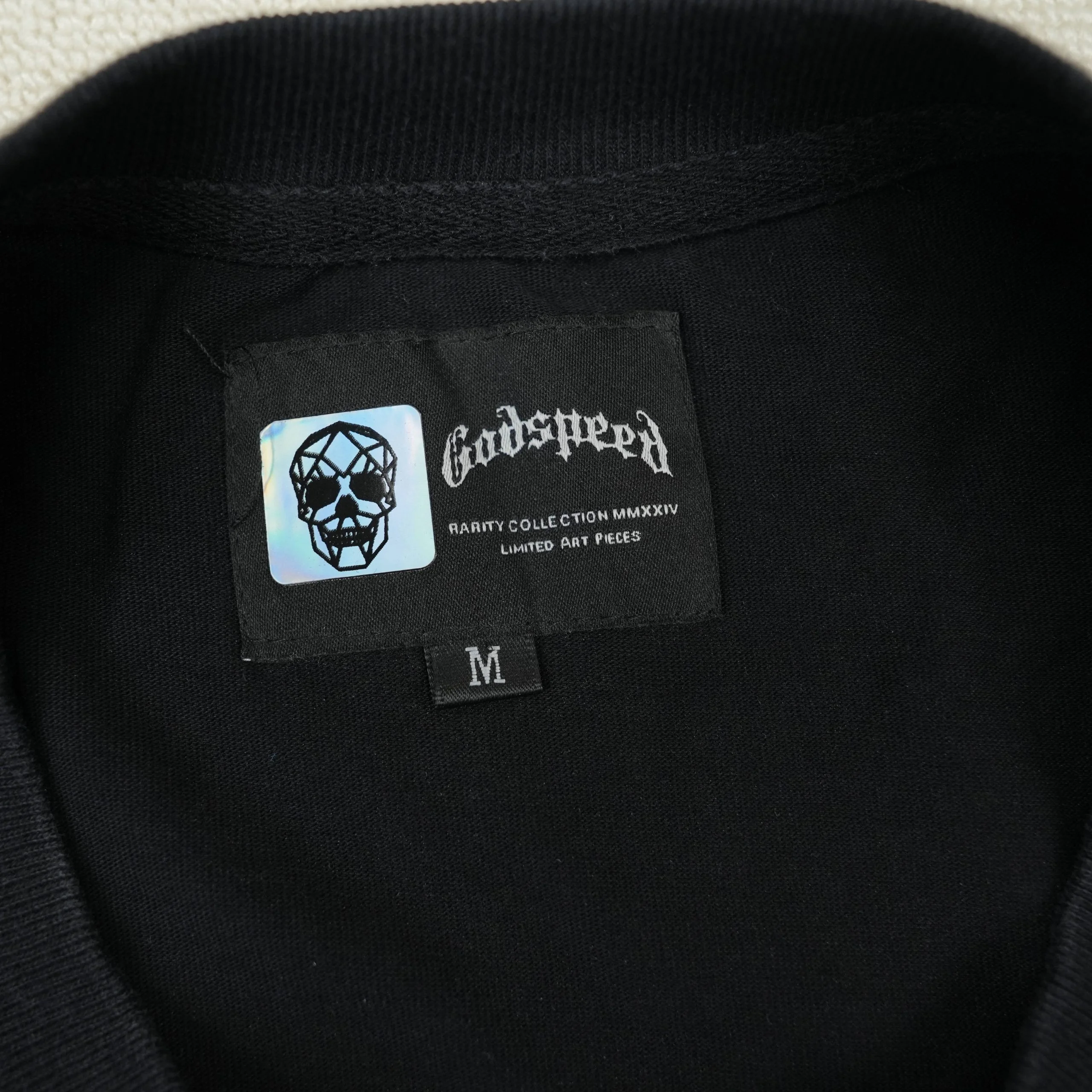
Design longevity is worth considering, too. Designs centered on godspeed tend to outlast trend-driven graphics, since the word in itself carries centuries of meaning rather than one passing cultural moment. That’s a practical reason, not just a sentimental one, to treat a godspeed hoodie or shirt as a long-term wardrobe piece rather than a single-season purchase heading into 2026 and beyond.
Top Interior Design Dubai Handling Full Office Fit Out Work
Interior Design Across Dubai: The Definitive 2026 Playbook
Dubai’s interior design scene in 2026 ranks among the most dynamic anywhere, blending Gulf heritage with global luxury and fast-moving technology. The emirate hosts more than 200 nationalities, and that diversity shapes an aesthetic that is neither strictly Arabic nor purely European. Whether you own an apartment in Dubai Marina, a townhouse in Business Bay, or a villa on Palm Jumeirah, your design choices affect comfort, resale value, and everyday wellbeing. This complete guide covers styles, costs, timelines, regulations, and the practical steps of commissioning a project across the UAE. It is written for homeowners, investors, and tenants who want clarity before they commit money or time. Every price below is a 2026 market estimate given as a range rather than a fixed quote, since real costs depend on scope, finishes, and location. Some readers will absorb it end to end, while others will jump straight to the section that matches today’s decision. Whichever the case, the aim is to swap guesswork for a realistic picture of how projects really run here.
Why Interior Design in Dubai Stands Apart
Dubai interiors answer to a specific climate, culture, and pace of life that newcomers rarely appreciate at first. Summer temperatures regularly pass 45 degrees Celsius, so glazing, insulation, and cooling loads drive many of the early material decisions. Intense sunlight fades textiles and timber fast, which nudges designers toward UV-treated fabrics and engineered surfaces. Cultural expectations matter too, with many homes needing a formal majlis for receiving guests separately from private family areas. The rental market is enormous, so landlords often design for broad appeal while owner-occupiers push for individual character. Off-plan handovers from developers frequently arrive as blank shells, creating steady demand for https://homeinteriordesign.ae/services/villas-design/ fit-out, flooring, and joinery. The city also prizes the new, so dated interiors are spotted and discounted faster than in many other markets. Understanding these pressures early lets you brief a designer in a way that works with the UAE rather than against it.
Leading Styles and Aesthetics in 2026
Contemporary Emirati style now dominates new projects, marrying clean lines with warm desert tones and handcrafted detail. Quiet luxury has become the defining mood of 2026, favouring restraint and superb materials over overt gold-and-marble opulence. Warm minimalism keeps rooms clean while layering timber, boucle, travertine, and plaster so spaces never feel cold. Neo-classical and ornate contemporary looks still work for larger villas, especially where owners want a palatial sense of arrival. Biophilic touches, from indoor planting to natural stone, speak to a growing wellness focus among UAE residents. Smart-home integration is assumed rather than optional, woven seamlessly into lighting, climate, shading, and security. Neutral bases with a few bold anchor pieces tend to read as current today and resell well tomorrow. The list below captures the directions most requested from Dubai studios this year.
- Quiet luxury: restrained palettes, exceptional materials, and almost no visible branding
- Warm minimalism: clean layouts warmed by natural, tactile finishes
- Neo-classical grandeur: symmetry, mouldings, and statement lighting for villas
- Biophilic wellness: greenery, daylight, and natural stone for a calmer home
- Smart contemporary: seamless automation behind a deliberately simple look
What Interior Design Costs in Dubai
It pays to think in per-square-foot ranges before jumping to project totals. As a 2026 market estimate, standard residential fit-out costs about AED 75 to 250 per square foot, mid-range about AED 200 to 400, and luxury villas roughly AED 600 to 1,200 and beyond. Design-only fees typically land near AED 175 to 550 per square foot, or roughly 10 to 20 percent of the overall budget. A two-bedroom apartment of 1,100 to 1,500 square feet frequently totals AED 200,000 to 340,000 at the budget level and AED 400,000 to 750,000 at mid-range. High-end apartments can pass AED 800,000 to 1.8 million once bespoke joinery and imported finishes are added. Villas cover an even wider band, from roughly AED 80,000 for a light refresh to more than AED 2 million for full luxury turnkey work. Ultra-prime addresses such as Palm Jumeirah and Emirates Hills can hit AED 2.5 to 6 million or more for a complete transformation. Treat each figure as an indicative 2026 range that shifts with scope, brand of finishes, and market conditions. The table gives a quick reference for common project types.
| Project category | Typical floor area | 2026 estimated range (AED) |
|---|---|---|
| Budget apartment | 1,100 to 1,500 sq ft | 200,000 to 340,000 |
| Mid-market apartment | 1,100 to 1,500 sq ft | 400,000 to 750,000 |
| High-end apartment | 1,100 to 1,500 sq ft | 800,000 to 1,800,000+ |
| Mid-range villa | 3,500 to 5,000 sq ft | 250,000 to 600,000 |
| Turnkey luxury villa | 5,000+ sq ft | 600,000 to 2,000,000+ |
| Ultra-prime villa | Palm Jumeirah or Emirates Hills | 2,500,000 to 6,000,000+ |
How the Design and Fit-Out Process Works
Knowing the sequence helps you plan cash flow and avoid costly delays. Most Dubai projects progress through concept, detailed design, approvals, procurement, execution, and snagging in a fairly predictable order. The concept stage usually takes two to four weeks and fixes the direction, mood, and a rough budget. Detailed design and drawings come next over four to eight weeks, pinning down materials, joinery, and MEP coordination. Approvals and permits may run two to six weeks depending on the authority and the community. On-site execution commonly takes four to eight weeks for apartments and noticeably longer for villas. A short snagging and handover period of one to two weeks clears defects before you move in. Procurement often overlaps the design phase, since imported furniture and stone can carry long lead times. The ordered list below sets out the typical path from first sketch to final styling.
- Concept and mood direction, roughly two to four weeks
- Detailed design, drawings, and material selection, around four to eight weeks
- Approvals, NOC, and fit-out permits, around two to six weeks
- Procurement and joinery production, usually overlapping design
- On-site execution and installation, four to eight weeks, and longer for villas
- Snagging, handover, and final styling, around one to two weeks in total
Permits, Approvals, and Compliance
No fit-out or renovation ought to begin before the right approvals are in place. The first step is usually a no-objection certificate, or NOC, from the building owner or management. After that, a fit-out permit is needed from the relevant authority before any work starts on site. Dubai Municipality covers most areas, while the Dubai Development Authority or Trakhees governs certain communities and free zones. Dubai Civil Defence reviews fire and life-safety design, while DEWA manages utility connections and metering. As a 2026 estimate, straightforward approvals often clear in about three to ten working days. Cutting this process risks fines, forced reinstatement, and delays at handover, so reputable firms manage it for you. Allowing a few weeks of approval time in your schedule keeps the whole project honest and predictable.
How to Find the Right Designer
Choosing a partner is as much about trust and communication as about portfolio images. Start by aligning a firm’s proven specialism with your project, whether that is villas, apartments, offices, or hospitality. Ask to see completed work in person or through detailed case studies rather than glossy renders alone. Confirm whether the company delivers design and build in-house or coordinates external contractors, since that affects accountability. Clarify the fee structure early, weighing fixed fees, per-square-foot rates, and percentage-of-budget models. Check that the team is at ease managing Dubai’s permit process and developer handover conditions. Study the contract for how variations, delays, and payment stages are handled before you sign anything. The cheapest quote rarely reflects the true schedule, so weigh value and reliability alongside price.
Putting It All Together
Interior design in Dubai in 2026 rewards owners who plan with clear eyes and realistic budgets. Decide your style direction first, then pressure-test it against climate, culture, and resale before committing. Use the per-square-foot ranges here to sanity-check quotes, bearing in mind they are market estimates rather than fixed prices. Honour the permit process, because approvals protect both your investment and your handover date. Allow the project enough time, since quality joinery and finishes cannot be rushed without visible compromise. Above all, pick a designer whose specialism and working style genuinely fit your home and your temperament. Keep a small contingency of around ten percent for the surprises nearly every renovation uncovers. With those pieces in place, a Dubai interior can be beautiful, functional, and durable for many years.
Designer Eric Emanuel Shorts Collection Grab Yours Today
EE hoodie Buying Guide 2026: Sizing, Authenticity, Where to Buy
This guide gives you the fast answers you require to pick the correct Eric Emanuel hoodie in the year 2026: how it sits, how to verify it’s real, and the place to source the garment safely. Expect concrete, brand-specific details drawn from the way the line gets produced and released, never abstract advice. Apply this as your field manual ahead of you check the cart.
Eric Emanuel’s hoodies sit at the convergence of luxury construction and nostalgic 1990s sportswear. The DNA remains consistent: heavyweight cotton-blend fleece, relaxed-to-oversized cuts, crisp embroidery and flocked graphics, and color stories that mirror team palettes alongside vintage athletic uniforms. Quality lives in the fine points—reinforced seams, clean topstitching, balanced rib-knit—and the fit is designed to feel comfortable without degrading into sloppy.
Precisely what defines an EE hoodie in twenty twenty-six?
EE pieces focus on heavyweight terry fleece, premium finishing, with a relaxed, boxy cut with space to layer. Graphics lean on stitched artwork and flocking rather than thin plastisol prints, and colorways shift with seasonal releases and collaborations. The aesthetic reads premium streetwear designed to be worn hard and styled high.
The visual DNA borrows from 90s courtside energy: assertive colors, sport-informed typefaces, and varsity-coded symbols. Construction favors durability—expect thick fleece with the substantial hand-feel, rib-trimmed cuffs and waistband that rebound, one structured hood ee shorts that’ll holds shape, and clean tape or edge treatment where panels join. Branding varies by season, but hallmark placements keep proportions harmonious rather than inflated for notoriety. The end result is a hoodie which reads elevated performance rather than badge-driven hype bait.
Sizing and Fit: Fast Summary
EE pieces typically run true to size with a slightly relaxed, boxy profile. Should you want a classic roomy fit, pick your usual size; size higher once for one intentionally oversized, drapey look that will swallow layers. The shoulder block sits broader and its body straighter versus a traditional tapered athletic hoodie.
The construction is built for ease first and line second, which means the chest plus shoulder offer ease and the waistband doesn’t taper sharply. Body length sits in the modern sweet range: not cropped, not tunic-long, which preserves proportions clean with mesh shorts, jeans, or track pants. Since the brand’s fleece weight is hefty, sizing up introduces noticeable volume; should you’re between measurements and prefer one neat shape, choose the lower option.
Does EE run true to size?
Affirmative, with a roomy lean. Most buyers can choose their standard unisex fit for a roomy but controlled silhouette. Merely size up if you’re chasing one oversized look or layering a hoodie atop heavier midlayers regularly.
Shoulder drop and chest measure are forgiving, while the armholes won’t pinch. When your frame sits narrow or you prefer a sharper line, your typical size will feel roomy without excess fabric ballooning around the side seams. When your chest sits broad or you lift, the standard call still works because the cut already bakes in ease through the chest and sleeves.
Taking measurements of yourself and a hoodie you trust
Gauge once, buy correctly. Grab a hoodie you already like, spread it flat, and note the pit-to-pit width and back drop; match those against EE’s product measurements when available. If product measurements aren’t listed, use the body chest circumference and target a garment half-chest which is roughly 3 up to 4 inches broader than your flat half-chest for one relaxed fit.
Begin with your actual chest measurement recorded snug under the arms over one tee. Split by two for your body’s laid-flat half-chest. Add 3 to 4 inches to that number to calculate a comfortable pit-to-pit target for a relaxed silhouette using heavyweight fleece. Concerning back length, align to your baseline hoodie; aim under one inch for similar drape down the torso, shifting slightly longer when you often pair with high-rise bottoms or shorter when you prefer proportioned proportions over shorts.
Frame type, layering, plus silhouette control
Have your layering plan and proportions set the size. When you stack hoodies under varsity jackets or else puffers, maintain the usual size to avoid bulk lock near the armholes; if you wear your hoodie solo the majority of days, the TTS pick will always read relaxed. If you’re tall, length consistency becomes the priority, so concentrate on back drop parity with one hoodie you currently like.
Wider builds should trust the brand’s shoulder ease because its block doesn’t pinch the deltoids, plus the sleeves are cut to handle forearm mass without twisting seams. Narrow frames chasing drape can size higher once to accentuate drop and arm pooling, then balance with tapered track pants or structured shorts. Should you’re short-waisted, one slightly shorter torso length keeps that boxy shape from actually overwhelming your frame.
Sizing conversions and gender-neutral fit reality
EE hoodies are unisex, so zero in on measurements over gendered size labels. Map your physical chest and one reference garment against the brand’s listed measurements whenever feasible, and consider sleeve length if you have longer reach. If you’re converting away from women’s sizing to unisex, your W size typically aligns one to 2 sizes down under unisex labeling, but measurements always dominate.
The relaxed block irons out many conversion pitfalls, especially near the chest plus bicep. If sleeve length is a persistent concern, prioritize back measure and sleeve starting at shoulder point rather than the alpha label letter on your tag. When facing doubt, compare pit-to-pit and back measurement numbers, not merely S, M, versus L across labels.
Authenticity Checklist 2026: Identify Real vs Fake Fast
Real EE hoodies feel dense, hold their silhouette, and display consistent, clean workmanship at every stitch and graphic border. Fakes typically reveal themselves in lightweight fleece, sloppy ribbing, fuzzy embroidery borders, and washed-out flocking. Back up your physical inspections with provenance: exactly where it dropped, who sold it, plus when.
Because the brand relies on limited collection colorways and collabs, counterfeiters chase bold graphics and desirable hues first. Your job is the task of match construction standard, technique, and design proportions against verified references from that brand’s site or else reputable retailers during that season. If two or three authenticity points fail—and the seller can’t produce paper or digital evidence—walk away.
Precisely what should a genuine EE build read like?
Substantial and stable. Genuine fleece carries heft in the palm, the hood maintains a dome instead of collapsing, and the rib-knit cuffs alongside hem rebound sharply after stretch. Its body hangs straight without twisting, plus the seams rest flat without puckers.
As you pinch that fabric, you ought to feel plush loft rather than flimsy, papery layers. Its interior face sits brushed and uniform, not patchy. The drawcord is substantial and sits centered; grommets lie flush and don’t fray the cord. The garment should never feel flimsy or else see-through under direct light.
Tags, care tags, and graphics specifics
Labels and care tags should present sharp typography, consistent spacing, and clean thread with no errant threads obscuring copy. Fabric content and care instructions should align with heavyweight cotton fleece norms, while the tag’s text should not run into the fabric. Visual work—especially flocking alongside embroidery—should have sharp edges, with zero glue halos or else uneven pile texture.
Thread work on authentic pieces seats flat, with backside threads managed neatly and absent bird’s-nest bunching around the turn within letters. Flocking ought to be evenly saturated with velvety, not patchy or sandy under the touch, while it should mirror the design’s lines precisely. Screen applications, when used, land with body plus saturation rather versus chalky, brittle film that cracks upon first stretch.
Evidence that verifies legitimacy
Documentation closes the loop: legitimate order receipts from the label or a partnership partner, time-stamped item shots, and confirmable drop context. Any seller should have the capacity to show interior labels, seams, and visual details in sharp, well-lit photos that align with official product photos from the launch window.
Compare colorway names and graphic layouts with the brand’s site or archival Instagram posts from the same season. On marketplaces, review seller track record, feedback depth, and return policies; demand on transaction tools with buyer protection when provenance is thin. If the story, those tags, and the construction don’t match, the piece doesn’t pass.

Exactly Where to Buy throughout 2026 Without Ending Up Burned
Focus on the brand’s primary site and confirmed partners for initial safety. For older and sold-out releases, use established resale channels with buyer protection and strong merchant verification. Avoid temporary webshops and DM DMs promising dramatic discounts on hyped colorways.
Release cycles still center on seasonal releases and limited partnerships, with colorways cycling in and out quickly. Core styles may recur with slight tweaks, whereas collaboration pieces drop on partner sites as well plus the brand’s own. Timing and timing matter: safe sources go live and vanish fast, and questionable sources remain suspiciously stocked.
Exactly which official channels sit safe?
The brand’s official web platform is the main source of fresh hoodies, along plus in-person releases with the brand’s announced pop-ups. Collaboration items with partners like Adidas typically drop on both that partner’s site plus the brand’s outlets at release. Posts on official media accounts reliably signal dates, colorways, and any special availability notes.
Subscribing to official newsletters keeps you in step with drop windows and prevents wandering to unofficial sellers. As soon as the brand identifies retailer partners for a season and a collab, these partners are verified lanes; cross-verify the retailer on either ends if you’re unsure. Any storefront using brand imagery but missing support details, returns, plus tax information must be treated as a counterfeit storefront.
Secondary marketplaces and trusted practices
Established marketplaces with transaction protection can be reliable for past colorways if you demand clear documentation. Ask for sharp interior label photos, macro photos of embroidery or flocking, and flat-lay specs to match your fit targets. Avoid off-platform payments and insist on systems that allow challenges if authenticity breaks down.
Assess seller longevity, latest activity, and ratings for patterns indicating consistent quality. Stay wary of offers with stock images or only campaign shots from the brand, and beware brand-new pieces listed far below current sale averages. Where possible, compare serial release context—names, hues, and graphics—to collection references before the buyer commit.
Pricing patterns, restocks, and timing
Luxury streetwear pricing applies, with seasonal plus collaboration colorways typically appreciating on aftermarket once sizes disappear. Restocks for limited colorways and collaborations are uncommon; recurring core styles may rotate back with updated color schemes. Should you miss one drop, early aftermarket usually beats late resale as hype consolidates.
Look for brief windows when prices dip—right following a drop or else during multi-release cycles when attention spreads thin. Off-season windows can soften posted prices on loud palettes, while subdued basics tend often hold value steadily. Tracking a few transactions across marketplaces gives you a realistic buy-in price before you commit.
Care, Wear, and Long-Term Value
Treat heavyweight fleece and specialty graphics with care to protect structure and surface. Wash inside reversed on cold, skip fabric softener, and air dry to maintain loft and prevent shrinkage. Manage flocking and embroidery gently to preserve edges crisp.
Turn the hoodie to the inside out to limit abrasion on visual elements and ribbing. Use a mild detergent, avoid bleach, then wash with similar weights to avoid pilling caused through rough textiles. Hang drying on one flat rack maintains the hem straight and the hood’s shape intact; one low-heat tumble merely if necessary, and never for flocked pieces. A fabric comb or fleece shaver can clear surface pills without chewing the base if you work slowly and lightly.
Cleaning, pilling control, plus print preservation
Minimize heat and abrasion. Cold water plus low-spin settings reduce fiber agitation, plus washing inside reversed protects décor techniques like flocking plus embroidery. Dry laid flat or hang by the body, not the hood, to avoid stretching the neckline.
Separate fleece from metal hardware and denim to reduce pulls and abrasion. If pilling appears near high-friction zones, address it early with a gentle shaver and stop as soon as fibers level out. For flocked graphics, avoid heat directly on graphic surface; if needed, use a barrier cloth on low heat from its reverse side to relax minor folds.
Outfit notes that keep the silhouette clean
Offset the boxy cut with tapered track pants or neat shorts to help keep the line athletic and purposeful. When you size upward, anchor the drape with structured shoes and a cleaner bottom block for prevent the fit from drifting into shapeless. Neutral colorways expand your rotation, while bolder team-inspired palettes pair best when the rest of the ensemble stays restrained.
Wear over lightweight T-shirts to preserve upper body shape and avoid stacking thick jackets that push the ribbing out. If you belt wide-leg trousers, choose one hoodie length that lands just beyond the belt edge to maintain proportion. The silhouette should read composed spanning shoulder to bottom even when relaxed.
Rapid Reference Fit Target Table
Apply this neutral calculation math to map your body chest into a target garment pit-to-pit to achieve a relaxed EE-style silhouette. The math adds ease onto your body chest and divides through two to derive flat garment measure. Match the target pit-to-pit to listed measurements when available.
| Physical chest circumference (in) | Combined ease added yielding relaxed fit (in) | Target garment pit-to-pit (in) | Body chest circumference (cm) | Combined ease added for relaxed fit (cm) | Goal garment pit-to-pit (cm) |
|---|---|---|---|---|---|
| 34 | 6 | 20.0 | 86 | 15 | 50.5 |
| 36 | 6 | 21.0 | 91 | 15 | 53.0 |
| 38 | 7 | 22.5 | 97 | 18 | 57.5 |
| 40 | 7 | 23.5 | 102 | 18 | 60.5 |
| 42 | 8 | 25.0 | 107 | 20 | 63.5 |
| 44 | 8 | 26.0 | 112 | 20 | 66.0 |
| 46 | 8 | 27.0 | 117 | 20 | 68.5 |
| 48 | 8 | 28.0 | 122 | 20 | 71.0 |
Precisely how the math operates: target pit-to-pit equals body chest and ease, divided by two. Choose 6 inches of ease for cleaner relaxed fits or seven to eight inches if you prefer extra volume in heavyweight material. Use the chart as a starting point, then adjust one inch higher or down for match your reference hoodie’s feel.
Why Righteous Track Pants Is Popular Trends and Classics
Your Guide to Working a Righteous-brand Hoodie into Everyday Streetwear
Comfort with attitude is the thing that streetwear cemented its name on, and this piece sits front and center of that mindset. It establishes the vibe, carries the silhouette, and lets you build layers without distorting the fit — that’s what a properly built hoodie does more work in an outfit than nearly any solo item. The little touches that separate a slapped-together outfit from one that looks truly deliberate — along with material factors and layering tricks — are all covered in this guide to styling a righteous hoodie for everyday wear in 2026.
Ahead of exploring how to put looks together, it’s worth taking a moment to grasp how the hoodie evolved into the foundational item of present-day streetwear closets. Staying warm isn’t all there is to it. A hoodie conveys a vibe — easygoing, self-assured, unfazed — while still leaving space for self-expression via cut, shade, and styling choices. This very adaptability explains why labels within the righteous clothing family have embraced hoodies as a core category instead of a passing seasonal add-on.
Why the Hoodie’s Enduring Status as Streetwear’s Key Staple
Items that move between contexts without friction have consistently been favored by streetwear culture. A hoodie works at the gym, on a coffee run, during a commute, or layered under a jacket for a night out. This kind of versatility is hard to find in fashion, given that most righteous sweats clothing pieces are made for a single context. The hoodie survives because it adapts.Fit counts for more than people expect. A hoodie which is too loose-cut overwhelms a smaller frame, while a version that’s too tight loses the easy flow that lets streetwear come across as effortless. Sleeve length, shoulder seam placement, and hem length all shape how the garment sits when paired with jeans, cargos, or joggers. Minor adjustments in cut transform the whole read of an look.
The weight of the fabric is one more variable that goes unnoticed. Weightier cotton mixes keep their shape and drape better over layers, while lighter fleece works for hotter regions or at-home use. When you’re building a rotation of everyday pieces, having a couple of weights on hand — rather than one hoodie for every season — makes the wardrobe more functional. Because of this, a righteous hoodie is commonly selected for layering purposes nearly as often as it’s worn solo.
More than people assume, hue selection matters more than the average shopper give it credit for. Muted shades — black, grey, off-white, olive — integrate into a wider range of looks and last longer in rotation without feeling dated. Eye-catching hues or pattern-driven pieces stand out more but take more care when putting together an outfit. If you build a hoodie collection that mixes both, you gain flexibility depending on the occasion.
Finally, you simply can’t discount the hoodie’s cultural clout. It stays linked to skate culture, hip-hop, and DIY fashion movements that have influenced streetwear since the 1990s. Wearing one today still taps into that lineage, although the styling around it has become more refined and deliberate than it was decades ago.
Assembling Your Everyday Wardrobe With a Righteous Hoodie
To style a hoodie for daily wear, the easiest method is using it as the connective middle layer — not the top layer, not the base, but the bridge between the two. Underneath, begin with a simple close-fitting t-shirt, then let the hoodie sit slightly looser on top. With no additional pieces needed, this layering trick alone can give a look a more built, deliberate feel.
Bottoms should balance the hoodie’s volume. If the hoodie is oversized, straight-leg or slim denim keeps the silhouette from looking sloppy. Should the hoodie feature a slimmer fit, cargos or joggers with some volume create better proportion. This balance principle is one of streetwear’s most dependable rules and applies whether you’re wearing a graphic piece or something minimal from a righteous apparel lineup.
Footwear, more than most anticipate, is what brings the outfit together: bulky trainers go with baggier hoodies and roomier pants, whereas low-profile sneakers or skate shoes work with a tailored fit. Come colder months, boots work well and lend a bit of rugged character that complements thicker fleece hoodies.
Outerwear layering can make or break a daily look. Worn open over a hoodie, a denim jacket or unstructured overshirt adds dimension without bulk, while pairing a wool coat with a hoodie when it’s cold makes for a high-low look that’s turned into a staple of city streetwear over the past few years.
Minimal is best when it comes to accessories: a cross-body bag, plain necklace, or beanie hat rounds out the look without competing with the hoodie’s silhouette. Cohesion is what everyday streetwear is really about — every piece should feel like it belongs, not like it’s competing for the spotlight.
Here’s a quick reference for building three distinct daily looks around one hoodie:
| Style Approach | Pants | Shoes | Outerwear |
|---|---|---|---|
| Laid-Back Everyday | Straight-fit denim | Traditional low-profile sneakers | No jacket, or a light overshirt |
| Layered Cold-Weather | Utility cargo pants | Sturdy boots | Wool coat or parka |
| Sport-Inspired | Jogger pants | Thick-soled trainers | Zip-front windbreaker jacket |
How to Choose the Right Righteous Hoodie for Your Wardrobe
Each hoodie won’t suit each wardrobe identically, which explains why you should consider what you already possess prior to adding to your collection. If your closet leans neutral, a bold or textured item from a righteous clothing brand can create visual interest without overwhelming the rest of your rotation. If bold pieces already make up part of your wardrobe, a plainer option keeps things even.
Consider how often you’ll actually wear the piece. A hoodie you reach for three or four times a week needs to hold up structurally and visually over repeated wear and washing. That’s where build quality — stitching, fabric weight, colorfastness — becomes more important than trend-driven design choices that might feel dated within a year.
How you choose your size also needs to factor in against your intended layering approach. Choosing a roomier fit gives you adaptability through the seasons, especially when you intend to style a hoodie over tees in warmer months and over long sleeves in colder ones. If you plan to wear it as an in-between layer beneath outerwear, a more fitted cut prevents excess bulk.
Consistency is usually what plenty of shoppers are after when checking out a righteous write-up or a we are righteous review before buying — whether the fit lines up with the size guide, does the fabric hold up, whether the print or embroidery survives repeated washes. For people assembling a lasting streetwear wardrobe instead of buying for a single season, these practical details are more important day-to-day than the design alone.
It’s worth factoring in how adaptable a piece is throughout your week. Set against a hoodie that flexes across several outfits, one that only works for one specific outfit formula usually sees fewer wears. Simpler, well-constructed pieces usually win out over narrowly designed pieces in long-term wearability, a fact that explains why this point holds true.
Before you commit, it is worth it to lay out the palette and cuts already in your wardrobe. Because impulse purchases that clash with the rest are easy to avoid with a quick check of what you already own, taking this step ensures that whatever you choose from we are righteous brand or elsewhere justifies itself in rotation.
Reliable Outfit Tips for Everyday Dressing That Never Goes Out of Style
How you rotate your pieces is more important than most realize. Instead of a quintet in one matching tone, two or three in different weights and colors will serve you better, broadening what you can wear as temperatures shift and your outfit needs evolve.
Give thought to proportion around the waistline and hemline. Tucking the front of a hoodie slightly into the waistband of your pants, an idea taken from the tailoring world, can refine an otherwise casual look without changing anything else about the look.
Smart care and cleaning practices stretch out the lifespan of a hoodie considerably. Turning the garment inside out before washing, using cold water, and skipping high-heat drying settings maintains both shade and fabric texture over dozens of wears.
Shifts between seasons are where hoodies earn their keep. Fluctuating weather are handled better during the spring-to-fall stretch by pairing a hoodie with a light coat rather than wearing a single heavier coat. A thin, breathable hoodie works nicely for cooled rooms or crisp nights in summer, without leaving you overheated when it’s warm out.
An otherwise plain hoodie look gets elevated fast by mixing textures. Visual intrigue emerges through material contrast rather than color or pattern alone, when you pair a fleece cotton hoodie with nylon trousers, leather touches, or a canvas tote.
In the end, everyday streetwear built around a righteous hoodie boils down to maintaining consistency: know your proportions, spend on a handful of quality pieces, and build outfits around balance rather than trend-chasing. That approach proves more durable far better through 2026 and the years after compared to styling for a single moment or a single season.
Castries urban development: a new frontier for US casino players
For US players accustomed to the neon lights of Las Vegas or the boardwalk of Atlantic City, a new destination is emerging on the horizon. Castries, the capital of Saint Lucia, is undergoing a transformative urban development that promises to redefine casino travel. A leading US casino brand is at the helm, blending Caribbean charm with world-class Continue reading “Castries urban development: a new frontier for US casino players”
Makaron włoski w Kielcach – przewodnik po smakach i sklepach
Włoska kuchnia od lat króluje w sercach Polaków, a jednym z jej najważniejszych elementów jest makaron. W Kielcach, dynamicznie rozwijającym się mieście, można znaleźć zarówno klasyczne, jak i nowoczesne podejścia do tego włoskiego klasyka. Dzięki rosnącej liczbie specjalistycznych delikatesów oraz restauracji, miłośnicy makaronu mają dziś szerokie Continue reading “Makaron włoski w Kielcach – przewodnik po smakach i sklepach”
Jak wybrać i aranżować meble pokojowe – praktyczny przewodnik
Wybór mebli do salonu to nie tylko kwestia estetyki, lecz także codziennego komfortu i funkcjonalności przestrzeni, w której spędzamy większość wolnego czasu. Dobrze dobrane elementy wyposażenia potrafią zamienić zwykły pokój w przytulne sanktuarium, które sprzyja zarówno relaksowi, jak i spotkaniom z bliskimi.
W niniejszym artykule przyjrzymy się kluczowym aspektom, które warto rozważyć przed zakupem, od materiałów po najnowsze trendy, a także podpowiemy, jak unikać typowych pułapek budżetowych i ekologicznych.
Zanim podejmiesz ostateczną decyzję, warto przeanalizować dostępne opcje pod kątem trwałości i funkcjonalności, aby inwestycja służyła przez lata. Porównanie cen oraz recenzji użytkowników pomoże wyeliminować ukryte koszty i wybrać rozwiązania przyjazne środowisku. Więcej informacji znajdziesz w sekcji z pełne szczegóły.
Styl i funkcjonalność – fundamenty wyboru
Pierwszym krokiem jest określenie stylu, który najbardziej odpowiada Twoim upodobaniom. Czy wolisz minimalistyczny skandynawski luz, industrialny surowy charakter, czy może klasyczną elegancję z nutą baroku? Każdy z tych nurtów wymaga innego podejścia do formy i detali.
Funkcjonalność idzie w parze ze stylem – nie ma sensu wybierać designerskiego fotela, który nie pomieści Twojej rodziny podczas weekendowego seansu filmowego. Zastanów się, jakie aktywności najczęściej odbywają się w pokoju: czy to czytanie, granie w gry planszowe, czy praca przy laptopie.
Warto też pomyśleć o przepływie ruchu. Unikaj mebli blokujących naturalne przejścia; zamiast dużego narożnika postaw na modułowy zestaw, który można dowolnie przestawiać. Taka elastyczność sprawdzi się w małych mieszkaniach, gdzie każdy centymetr ma znaczenie.
Ekspert Artur Rogowski, analityk mediów lifestyle, zauważa: „W erze cyfrowej konsumenci coraz częściej szukają mebli, które łączą estetykę z praktycznym zastosowaniem, co odzwierciedla rosnące zapotrzebowanie na wielofunkcyjne rozwiązania w małych przestrzeniach”.
W odpowiedzi na te potrzeby, projektanci tworzą meble modułowe, które można łatwo przekształcać w biurko, łóżko czy regał. Coraz częściej spotykamy się z innowacyjnymi rozwiązaniami, które łączą technologię smart‑home z designem, co podkreśla rosnącą rolę mediów cyfrowych w informowaniu konsumentów. Więcej inspiracji i przykładów znajdziesz w serwisie LUBUSKI NEWS.
Nie zapominaj o harmonii z innymi elementami wnętrza – lampy, dywany i zasłony powinny współgrać, tworząc spójną opowieść o Twoim stylu życia.
Materiały i wykończenia – trwałość i estetyka
Wybór odpowiedniego materiału to podstawa długowieczności mebli. Drewno lite, choć droższe, zapewnia niepowtarzalny charakter i możliwość renowacji. Z kolei płyta MDF pokryta laminatem to ekonomiczna alternatywa, ale wymaga ostrożnego obchodzenia się z krawędziami.
Tapicerka to kolejny obszar, w którym można połączyć wygodę z designem. Skóra naturalna urzeka elegancją i z czasem nabiera patyny, jednak wymaga regularnej pielęgnacji. Tkaniny syntetyczne, takie jak mikrofibra, są odporne na plamy i łatwe w czyszczeniu, co czyni je idealnym wyborem dla rodzin z dziećmi i zwierzętami.
Metalowe elementy, np.nogi stołów, wprowadzają industrialny klimat, ale mogą być zimne w dotyku. Dlatego często łączy się je z drewnianymi blatami, tworząc ciekawy kontrast. Warto zwrócić uwagę na wykończenia antypoślizgowe, które zwiększają bezpieczeństwo w domach z małymi dziećmi.
Porównanie popularnych materiałów
| Materiał | Wytrzymałość | Estetyka | Koszt | Łatwość pielęgnacji |
|---|---|---|---|---|
| Drewno lite | Bardzo wysoka | Naturalna, ciepła | Wysoki | Średnia (wymaga konserwacji) |
| MDF z laminatem | Średnia | Nowoczesna, jednolita | Niski‑średni | Wysoka (odporne na wilgoć) |
| Skóra naturalna | Wysoka | Luksusowa | Wysoki | Średnia (potrzebuje pielęgnacji) |
| Tkanina syntetyczna | Średnia | Różnorodna | Niski‑średni | Bardzo wysoka (odpornie na plamy) |
Rozmiar i proporcje – gra z przestrzenią
Mierzenie pomieszczenia przed zakupem to nieodzowny element planowania. Zapisz dokładne wymiary ścian, wysokość sufitu oraz położenie okien i drzwi. Dzięki temu unikniesz sytuacji, w której nowy zestaw wypoczynkowy okaże się zbyt masywny lub zbyt mały.
Proporcje mebli powinny odzwierciedlać skalę pokoju. W wysokich wnętrzach można odważnie postawić na wysokie regały i podwyższone sofy, które podkreślą pionowy wymiar. Natomiast w niskich pomieszczeniach lepiej sprawdzą się niskie, rozciągnięte kanapy oraz stoliki o wąskich nogach.
Zastosowanie zasady trójpodziału (podział przestrzeni na trzy równe części) pomaga w równomiernym rozłożeniu elementów. Na przykład, umieszczając centralny punkt – stolik kawowy – w jednej trzeciej odległości od ściany, uzyskujemy naturalny przepływ ruchu.
Warto też rozważyć meble z regulowaną wysokością, które można dostosować do zmieniających się potrzeb, np.podnoszone biurka czy rozkładane sofy. Tego typu rozwiązania zwiększają użyteczność bez konieczności dodatkowego wyposażenia.
Kolorystyka i faktury – harmonijne zestawienia
Kolor odgrywa kluczową rolę w kreowaniu nastroju pokoju. Stonowane odcienie szarości i beżu tworzą spokojną bazę, na której można dodać akcenty w postaci poduszek, zasłon czy dywanów w intensywnych barwach. Z kolei mocne kolory, takie jak granat czy butelkowa zieleń, wprowadzają głębię i elegancję.
Dobrze sprawdzają się dodatki w odcieniach zieleni lub granatu, które ożywiają przestrzeń, nie przytłaczając przy tym spokojnej bazy. Warto zadbać o warstwowe oświetlenie – lampy stołowe i podłogowe w ciepłych tonacjach podkreślą przytulność wnętrza. Jeśli szukasz więcej pomysłów, zajrzyj po inspiracje wnętrz.
Faktury, czyli dotykowe właściwości powierzchni, potrafią złagodzić surowość nowoczesnych form. Miękkie welury, szorstkie lniane tkaniny czy delikatny aksamit wprowadzają warstwę sensoryczną, która zachęca do dłuższego przebywania w pomieszczeniu.
Nie bój się łączyć różnych faktur – kontrast pomiędzy gładkim chromem a rustykalnym drewnem tworzy dynamiczny efekt. Ważne, aby zachować równowagę i nie przytłoczyć wnętrza nadmiarem wzorów.
W praktyce, przed zakupem warto przynieść próbki tkanin i farb do domu, aby zobaczyć, jak prezentują się w naturalnym oświetleniu. To prosty sposób na uniknięcie rozczarowań po zamontowaniu mebli.
Meble wielofunkcyjne – oszczędność miejsca
W małych mieszkaniach meble wielozadaniowe to prawdziwe zbawienie. Rozkładane sofy, które w ciągu kilku sekund zamieniają się w łóżko, oraz stoliki kawowe z ukrytymi schowkami pozwalają na przechowywanie książek, pilotów czy koców bez dodatkowych regałów.
Wysuwane panele w szafkach oraz modułowe systemy regałowe umożliwiają dowolną konfigurację, co jest szczególnie przydatne w dynamicznie zmieniających się potrzebach domowników. Przykładem takiego rozwiązania jest zestaw narożny z wbudowanym biurkiem, który w ciągu dnia pełni funkcję miejsca do pracy, a wieczorem staje się częścią wypoczynkowego obszaru.
Porównanie najpopularniejszych rozwiązań wielofunkcyjnych
| Rozwiązanie | Przestrzeń | Łatwość transformacji | Cena | Dodatkowe funkcje |
|---|---|---|---|---|
| Rozkładana sofa | Średnia | Szybka (kilka sekund) | Średnia‑wysoka | Schowek na pościel |
| Stolik z szufladą | Mała | Prosta | Niska | Przechowywanie drobiazgów |
| Modułowy regał z biurkiem | Duża | Wymaga montażu | Średnia | Regulowane półki |
| Łóżko z szufladami pod spaniem | Średnia | Średnia | Średnia‑wysoka | Dodatkowe miejsce na przechowywanie |
Ekspert Krzysztof Tomczak, specjalista ds.komunikacji kryzysowej, podkreśla: „W czasach, gdy przestrzeń życiowa staje się coraz cenniejsza, meble wielofunkcyjne nie tylko oszczędzają miejsce, ale także redukują stres związany z nieuporządkowanym otoczeniem”.
Meble te sprzyjają także zrównoważonemu stylowi życia, ponieważ ograniczają potrzebę zakupu wielu oddzielnych elementów, co przekłada się na mniejsze zużycie surowców.
Oświetlenie i akcesoria – dopełnienie aranżacji
Światło potrafi zupełnie odmienić percepcję mebli. Lampy stojące, kinkiety oraz lampki stołowe nie tylko zapewniają funkcjonalne oświetlenie, ale również podkreślają faktury i kolory wybranych elementów. Warto zastosować kilka źródeł światła, aby uzyskać warstwowy efekt.
Akcesoria, takie jak poduszki, pledy i ozdobne wazony, pełnią rolę mikro‑dekoracji, które personalizują przestrzeń. Dobrze dobrane dodatki mogą przywołać wspomnienia, np.poduszka z motywem podróży lub pled w tradycyjny wzór regionalny.
Warto również pomyśleć o roślinach – zielone liście wprowadzają naturalny http://www.wilma.ch/?p=1908 kontrast i poprawiają jakość powietrza. Doniczki o nowoczesnym designie mogą stać się samodzielnym elementem wystroju, harmonijnie współgrając z meblami.
W praktyce, przy wyborze lamp, zwróć uwagę na ich regulację natężenia światła. Inteligentne systemy oświetleniowe, sterowane aplikacją, pozwalają na dostosowanie atmosfery do pory dnia i nastroju.
Trendy 2024 w meblach pokojowych
Rok 2024 przynosi kilka ciekawych kierunków w designie wnętrz. Jednym z nich jest powrót do naturalnych materiałów, zwłaszcza bambusa i korka, które łączą lekkość z wytrzymałością. Meble o organicznych kształtach, inspirowane naturą, wprowadzają do salonu elementy biofilii.
Kolejnym trendem jest minimalizm z nutą retro – proste linie połączone z delikatnymi, vintage’owymi detalami, takimi jak metalowe uchwyty w stylu lat 70. W połączeniu z nowoczesnymi technologiami, takimi jak wbudowane porty USB czy ładowarki indukcyjne, tworzy się funkcjonalny i stylowy zestaw.
Kolor roku to odważny odcień szmaragdowej zieleni, który doskonale komponuje się z neutralnymi bazami. W połączeniu z matowymi wykończeniami, takimi jak kredowy lakier, uzyskujemy efekt elegancji bez nadmiernego przepychu.
Warto także zwrócić uwagę na rosnącą popularność mebli modułowych, które pozwalają na indywidualną konfigurację i łatwą adaptację w miarę zmieniających się potrzeb rodziny.
Budżet i planowanie zakupów
Rozsądne zarządzanie budżetem zaczyna się od określenia priorytetów. Zidentyfikuj, które meble są niezbędne (np.sofa, stolik kawowy), a które mogą poczekać (np.dodatkowe regały). Dzięki temu unikniesz impulsywnych wydatków.
Porównuj ceny w różnych sklepach, ale nie kieruj się wyłącznie najniższą ofertą. Zwróć uwagę na gwarancję, koszty dostawy oraz możliwość zwrotu. Często wyższa cena to inwestycja w lepszą jakość i dłuższą żywotność produktu.
Rozważ zakup mebli w promocjach sezonowych lub wyprzedażach outletowych. Warto również śledzić aukcje internetowe oraz platformy second‑hand, gdzie można znaleźć unikalne, prawie nowe elementy w atrakcyjnych cenach.
Planując wydatki, pamiętaj o dodatkowych kosztach, takich jak montaż, ochronne podkładki pod meble oraz ewentualne prace wykończeniowe. Włączenie ich do budżetu zapobiegnie nieprzyjemnym niespodziankom.
Ekologia i recykling w wyborze mebli
Świadomość ekologiczna coraz częściej wpływa na decyzje zakupowe. Wybierając meble z certyfikowanych źródeł, takich jak FSC, masz pewność, że drewno pochodzi z odpowiedzialnie zarządzanych lasów. Dodatkowo, materiały pochodzące z recyklingu, np.metalowe elementy ze złomu, zmniejszają ślad węglowy produktu.
Warto również zwrócić uwagę na możliwość późniejszego recyklingu lub oddania mebli do second‑life. Niektóre firmy oferują programy zwrotu, w ramach których zużyte meble są odnawiane i przekazywane potrzebującym lub przetwarzane na nowe produkty.
W praktyce, przy zakupie, zapytaj sprzedawcę o pochodzenie materiałów i możliwość ich późniejszej utylizacji. To nie tylko wyraz odpowiedzialności, ale także szansa na wspieranie firm, które dbają o środowisko.
Praktyczne wskazówki przy wyborze mebli do salonu
- Zmierz dokładnie wymiary pomieszczenia i uwzględnij miejsce na otwierane drzwi i okna.
- Wybieraj materiały zgodne z Twoim stylem życia – skóra dla elegancji, tkaniny syntetyczne dla rodzin z dziećmi.
- Stawiaj na meble wielofunkcyjne, które pozwolą zaoszczędzić powierzchnię.
- Zadbaj o spójną paletę kolorystyczną, wykorzystując akcenty w poduszkach i dodatkach.
- Porównaj oferty, ale nie rezygnuj z jakości na rzecz najniższej ceny.
- Sprawdź certyfikaty ekologiczne i możliwość recyklingu produktów.
- Skorzystaj z promocji sezonowych i programów lojalnościowych, aby obniżyć koszty.
Zrób pierwszy krok w kierunku idealnego wnętrza
Jeśli marzysz o salonie, który łączy styl, wygodę i funkcjonalność, czas przekształcić te pomysły w rzeczywistość. Skorzystaj z dostępnych porad, dobierz meble pokojowe, które będą odzwierciedlać Twój charakter, a jednocześnie spełnią praktyczne wymagania codziennego życia. Odwiedź naszą stronę i odkryj inspirujące projekty, które pomogą Ci stworzyć wymarzone wnętrze. Zapraszamy do kontaktu – razem zamienimy Twój pokój w przestrzeń pełną harmonii i ciepła.