
YSL Luxury Bags YSL Iconic Bags

The Row Crossbody and Small Bags: An In-Depth Overview

Big, restrained leather carryalls remain what The Row is best known for, but the design thinking comes through most clearly in the tiniest pieces. A crossbody or a clutch has no place to hide: the proportions must be right, the closure must work cleanly, and the leather has to support the object unaided. What follows is a row bags overview of the small end of the collection, working through crossbody styles, compact shoulder bags, pouches and clutches. Each figure is an observed 2026 market price noted in September of that year; none of it is an official price list, since the brand issues none. Made in Italy is flagged only where the brand’s own product page confirms it, never where it is simply presumed. Bags only here, with ready-to-wear and footwear set aside.
How a Small Bag Is Recognised Here

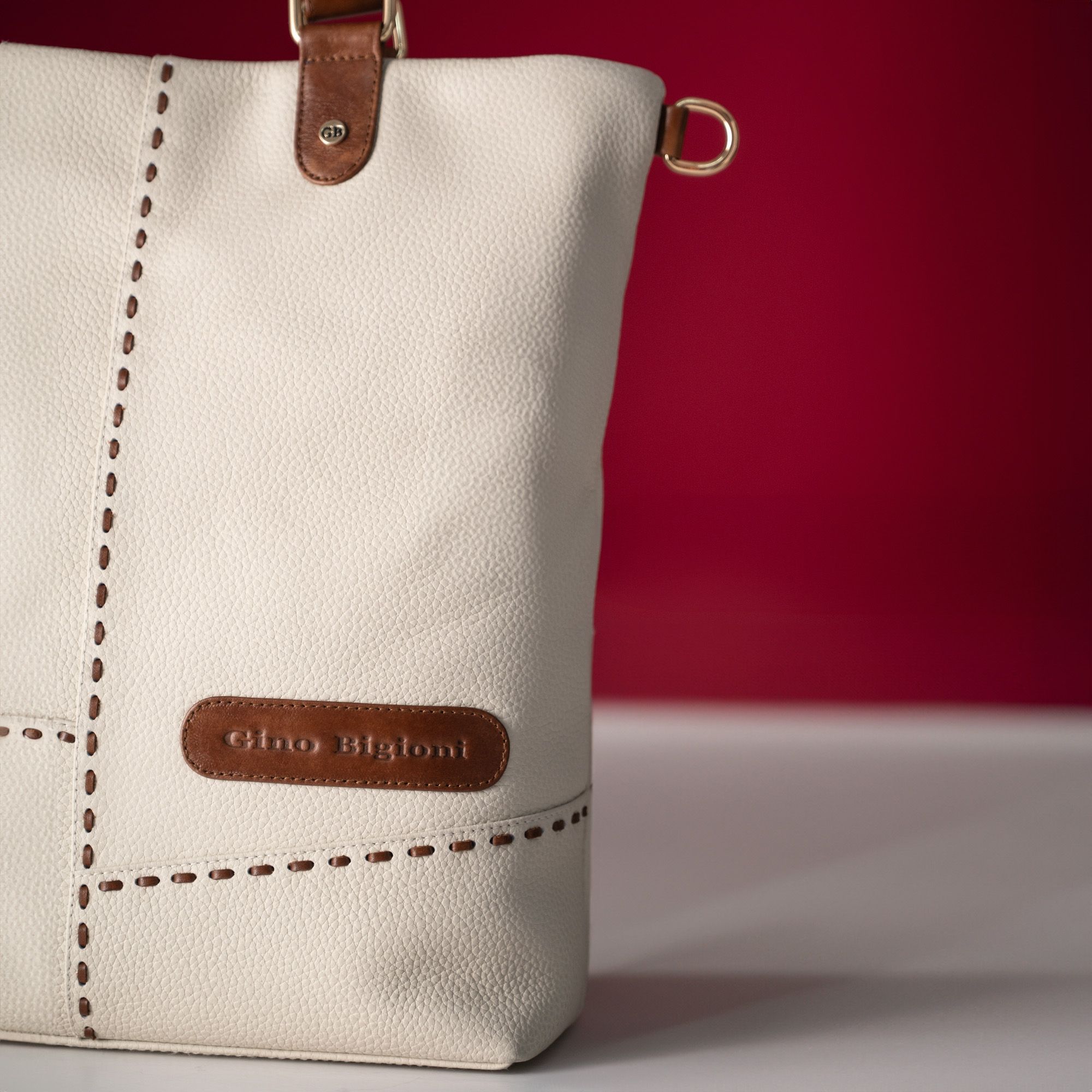
Because The Row bags have no exterior logo plaque and no monogram print, a small one is identified on silhouette, proportion and construction alone. A discreet exterior stamp rests low on the side, where it blends into the leather, and a second stamp is placed inside. Palladium-plated hardware in a matte or brushed finish works through weight and precision rather than glitter. Where other houses print logo jacquard, the linings here are luxury materials in their own right — nappa, lambskin, calfskin and cotton herringbone. You can ignore those decisions on a large tote; on a clutch the size of a paperback there is little else to see. Which is why the small pieces offer the clearest introduction to how the label handles leather.

  • No exterior plaques, nor branded hardware, nor monogram print
  • Silhouette, proportion and construction do the identifying
  • One discreet exterior stamp plus an interior stamp
  • Palladium-plated hardware in a matte or brushed finish
  • Interior linings of nappa, lambskin, calfskin or cotton herringbone

The Crossbody Family

Crossbody styles form the most practical part of the collection and, on observed 2026 prices, one of the most accessible. The group covers roughly $1,290 to $2,550, which sets its floor below almost every top-handle style the brand makes. Naming follows the house convention of orientation prefixes, so shop shoulder bags N/S and E/W separate upright versions from wide ones within a single idea. The Park family sits partly inside this group, since it comprises the N/S Park Tote, the Park Tote, the Park Tote Three, the XL Park Tote and the N/S Park Crossbody. Materials come down to calfskin in smooth, grained and saddle finishes, with palladium-plated fittings used throughout. Visible branding is missing from all of them, so they are bought as daily bags rather than occasion pieces.

Rene Crossbody and N/S Park Crossbody

At an observed $1,290, the N/S Park Crossbody is the smallest opening to the Park family that is not a tote. The flat, unstructured logic of the family holds here, shrunk to something worn against the body rather than carried in the hand. Anyone who already owns a The Row tote bag from that line will spot the same construction language, only at a fraction of the volume. The Rene Crossbody was observed at $1,350, landing just above it. Both land inside the entry band of roughly $590 to $1,500 that the collection keeps at its lowest end. If you are choosing a first row bag, this pair is the point at which the smallest outlay meets the fullest expression of the house style.

The Izzy, the Annie and the Large Slouchy Banana

Several orientations of the Izzy exist — the E/W Izzy observed at $2,300, the N/S Izzy at $2,490, plus a Small Izzy shoulder version at $2,100. Observed at $1,950, the N/S Annie Crossbody sits between the entry crossbodies and the Izzy group. The Large Slouchy Banana was observed at $2,550, and the brand’s own product page states it as Made in Italy. The same page showed waitlist availability instead of open stock when the research was done — nothing unusual for the label. These three lines occupy the upper half of the crossbody range, where structure and leather weight rise noticeably. Cross-shopping usually sets them against small shoulder bags rather than against one another.

Small Shoulder Bags: Half Moon and the 90’s Bag

Half of the four signature models exist at this small scale, a fair measure of how seriously the label regards the format. The Half Moon was noted at an observed $1,390, with a leather variant at $1,690 at a stockist; it is confirmed Made in Italy. Its published dimensions are 8 x 13.5 x 2.5 inches, though sources conflict on the exact figures, so treat that as the official reading rather than a settled measurement. Observed at $1,090, the 90’s Bag is the cheapest of the four signatures; the 90’s Shoulder version was $1,450. Curve and drape, not hardware, supply both of them their identity. The two of them amount to the cheapest honest entry into the top row bags on silhouette rather than category.

The Clutches, Pouches and Evening Bags

Construction detail is most visible in the clutch group, and the Bourse Clutch is the clearest example of it. It was observed at $1,590, is confirmed Made in Italy, and pairs a calfskin exterior with a nappa lining, a hinged frame closure, a hidden adjustable shoulder strap and dimensions of 10.2 x 6.5 x 2.3 inches. Further up, the Peggy Clutch was observed at $2,900 and the Dalia Baguette at $2,700; the Squared Compact Clutch came in level with the Half Moon at $1,390. Evening formats push further up: the CC Minaudiere at $2,780 and the Long CC Minaudiere at $3,800. Another Made in Italy piece, Terrasse To-Go, was observed at $1,950 and falls between clutch and small bag. Below everything else sit the pouches and small leather goods, with the Ray Pouch at $950 and $1,100, the Travel Pouch at $990, Sally at $1,000, the Cecily Mini Tote at $950, the Mini Barn Tote at $1,200 and the Double Travel Wallet at $590.

Observed 2026 Market Prices at a Glance

The table gathers the figures above into one view for comparison. All of these are observed 2026 market prices, not an official published price list, which the brand does not issue. Prices at retailers can differ from the brand’s own site, while currency, season and stock each move the number. Two prices in a row mean either two versions or two sizes observed at the same time. Read it as a snapshot of where each piece sat relative to the others rather than a quotation. What has stayed stable over time is the ordering, not the absolute numbers.

ModelTypeObserved 2026 price (USD)Notes
Double Travel WalletLeather accessory$590Lowest observed entry point
Ray PouchPouch format$950-$1,100Observed in two versions
90’s BagCompact shoulder$1,090Signature model; the Shoulder is $1,450
N/S Park CrossbodyCross-body style$1,290Member of the Park family
Rene CrossbodyCross-body style$1,350Lands just over the Park crossbody
Half MoonSmall shoulder$1,390Made in Italy, leather variant at $1,690
Bourse ClutchClutch format$1,590Hinged frame; Made in Italy
N/S Annie CrossbodyCrossbody bag$1,950The middle of the crossbody range
N/S IzzyCrossbody$2,490E/W Izzy observed at $2,300
Large Slouchy BananaCross-body style$2,550Made in Italy, waitlist availability only
Peggy ClutchClutch bag$2,900The top of the small-bag range

Resale Behaviour of the Small Bags

These resale figures are observed market behaviour, not investment advice; treat them as context, not as a case for buying. The Rebag CLAIR 2025 report put the label at 97% value retention at brand level, carrying it into the report’s unicorn tier of 85% and above for the first time, behind only Telfar, Hermes and Goyard. Within the same report the Half Moon shoulder recorded 106% retention. The same report recorded 146% for the N/S Park Tote and 107% for the Margaux Tote, which allows a comparison across formats. The 90’s Bag has been flagged separately as the group’s riser, eBay search volume reportedly up around 55% year over year as of April 2025. Not everything behaves this way — canvas, nylon, sisal and seasonal colours discount on the secondary market, while the strength sits in black and neutral calfskin in the signature silhouettes.

Day-to-Day Care

No care protocol is issued by the brand, so treat the following as material-appropriate general guidance. Overfilling is the chief risk with a small bag — the shape does the identifying, and a stretched gusset destroys it. Keep the leather out of direct sunlight, heat and rain, and store the piece in its dust bag, lightly stuffed, so it holds its form. Calfskin and grained finishes respond to buffing with a soft dry cloth, with neutral conditioner used sparingly. Nappa and lambskin mark easily, so keep to a dry cloth and do not over-condition. Suede takes nothing but a suede brush — no cream, no wet wipes, no soap, no water-based cleaner — while raffia, canvas and silk or satin versions spot-clean but remain the least serviceable of all.
Sp5der Pink Collections Sale Premium Spider Web Design In Stock Now

Sp5der hoodies are adaptable parts that may lift any casual attire. These hoodies can be found in a variety of colors and designs, letting you generate various looks for diverse occasions. Here are some design ideas to help you get the best from your Sp5der hoodies.

Relaxed Appear:

To get a relaxed, everyday seem, match your Sp5der hoodie with a set of jeans. This combo is ideal for jogging errands or spending time with friends. Select classic light blue or dark bluejeans for the ageless seem. Accomplish the ensemble with some tennis shoes. This simple-heading fashion is secure and very easily cool.

Athletic Design:

Sp5der hoodies are ideal for a athletic, athleisure appear. Satisfy your hoodie with Sp5der tracksuit slacks to get a synchronised ensemble. This look is great for coming to the fitness center or even for a friendly day out. Add some sporty sneakers to perform the ensemble. This design is equally fashionable and functional, enabling you to relocate freely while searching classy.

Layering:

Layering is crucial to making fashionable outfits with the Sp5der hoodie. For a stylish layered appearance, use your hoodie beneath a denim jacket or even a bomber shirt. This adds another coating of ambiance and offers your clothing a lot more range. Set this with slim-fit jeans or denims for a healthy appear. This combo is perfect for much cooler weather and adds an attractive effect to a straightforward hoodie.

Intelligent Everyday:

For any smart informal look, combine your Sp5der hoodie with designed trousers. This results in a a lot more shiny outfit that is certainly still cozy. Choose natural hues for both the hoodie as well as the pants to hold the style cohesive. Include a couple of clear, minimum footwear or loafers to perform the look. This style is perfect for casual Fridays at the job or a comfortable evening meal with good friends.

Streets Design:

Sp5der hoodies could be designed to get a streetwear look. Match your hoodie with loose jeans or sp5der pink collections freight jeans. This combination is edgy and trend-forward. Add more a set of great-leading footwear to further improve the streetwear atmosphere. Accessorize using a beanie or perhaps a cover for the added feel of favor. This seem is great for setting up a declaration and standing out in a crowd.

Layered with Extras:

Components can increase your Sp5der hoodie attire. Consider introducing a chunky scarf while in chillier a few months for extra style and warmth. An elegant backpack or a crossbody travelling bag could also put in a modern touch to your outfit. Never hesitate to try distinct add-ons to discover the seem that best suits you finest.

Seasonal Variations:

Sp5der hoodies could be styled for any time of year. In the summertime, pair your hoodie with shorts for the relaxed and cozy clothing. Go for light-weight shorts and lower-top footwear to maintain cool. During the cold months, coating your hoodie using a heavy coat and combine it with warm pants and boots. This means you remain warm while nonetheless looking stylish.

Monochrome Seem:

A monochrome outfit can be very trendy. Pair your Sp5der hoodie with pants within the exact same coloration family for a streamlined look. This creates a cohesive and refined clothing. Opt for add-ons in related tones to complete the monochrome appearance. This type is straightforward yet innovative and is also straightforward to create.

Shade Sychronisation:

Color sychronisation is essential to design your Sp5der hoodie. Pick complementary shades for the hoodie and slacks. For example, a black colored hoodie couples effectively with greyish or white colored slacks. This creates a balanced appearance which is creatively pleasing. Try different color combos to locate what works for you.

These tips will allow you to design your Sp5der hoodie for virtually any occasion, ensuring you always appear stylish and set-jointly.

Express Your Individuality with Sp5der Hoodies

Ease and comfort: Sp5der hoodies, pants and tracksuits and shirts are made from high-top quality components. The textiles are delicate and breathable, guaranteeing highest comfort. Regardless of whether you’re wearing a hoodie with a awesome day time or tracksuit pants for any exercise routine, you’ll feel at ease.

Longevity: Sp5der garments is created to last. The solid sewing and sturdy fabrics make sure that every single object can hold up against regular washing and wear. You can rely on Sp5der items to remain in excellent condition over time, which makes them a trustworthy decision.

Style: Sp5der gives sleek and trendy patterns. The clear lines and modern day slices of the hoodies, pants and tracksuits and shirts make sure they are versatile pieces. It is possible to combine these with other considerations inside your closet for a variety of looks. No matter if you are getting a relaxed or athletic fashion, Sp5der has you included.

Overall flexibility: Sp5der garments is proper for various activities and occasions. The hoodies are fantastic for a peaceful day trip or even a relaxed meet-up. Tracksuits are ideal for physical exercise or athleisure put on. The pants and shirts might be fashioned both for informal and semi-professional configurations. This versatility makes Sp5der a functional accessory for any wardrobe.

Easy Care: Sp5der garments is easy to keep. Most items are equipment washable, that makes cleansing simple. By following the care instructions, you can keep your Sp5der items looking new for a long time.

Fit: Sp5der clothes delivers a range of styles to suit various entire body types. The in depth dimension maps help you find an ideal suit, guaranteeing comfort and style. This inclusivity implies everybody can enjoy Sp5der’s fashionable patterns.

Selecting Sp5der garments signifies choosingdurability and comfort, and magnificence in every single item. Whether you’re seeking informal use or something that is far more flexible, Sp5der provides high-high quality choices that meet your requirements.

From Track to Street – Amplify Your Style Spider 555

How Sp5der Evolved Into the Definitive Urban Fashion Symbol of Status

Within just under 5 years, Sp5der grew from a niche rapper’s side project into among the most respected names in worldwide urban clothing. The label never followed the standard strategy of traditional fashion labels or even competing streetwear brands. In its place, it harnessed the intersection of music culture, viral social media momentum, and well-executed drop scarcity to create a genuinely unique thing: a brand that appeared both niche and omnipresent all at once. By 2026, having a Sp5der hoodie is now a symbol of cultural awareness that surpasses the world of music fandom. The Sp5der hoodie is now seen on high-fashion stages, in hip-hop videos, and on the streets of Tokyo, London, and Los Angeles simultaneously. This is how it came to be.

How Young Thug Started It All: How It Began

Sp5der’s founding story is inseparable from Young Thug, the Atlanta-based music artist who launched the brand and used it as an expression of his personal style. As opposed to celebrity collaborations where an artist just puts their name on an existing label, Young Thug participated actively in the creative direction from the very beginning, channeling his energetic, over-the-top style directly into the pieces. The spider symbol was entirely intentional — it embodied the web of connections in the rap world: artists, producers, managers, and fans all caught in the same artistic web. Initial Sp5der items were circulated largely within Young Thug’s core group, rendering them genuinely scarce and desirable ahead of any formal debut. When the label launched publicly, it carried the credibility of the inner circle rather than advertising. That authenticity provided Sp5der an early advantage that no budget alone could purchase.

The Role of Scarcity and Drop Culture

Sp5der understood scarcity long before it became the go-to strategy for streetwear brands. Each release was deliberately limited, ensuring that consumer desire consistently exceeded production and that every piece remained a prize rather than just another product. The brand’s release strategy drew inspiration from Supreme’s playbook but brought in a distinctly hip-hop energy: drops were often revealed with little notice, sometimes just 24 to 48 hours ahead, requiring buyers to stay plugged into spider sweatpants sizing the label’s online presence at all times. How quickly things sold out regularly clocked less than 10 minutes for the most sought-after color options. This established a secondary market ecosystem on StockX and GOAT where Sp5der hoodies consistently resold at 2–3 times the original retail cost. The financial evidence of coveted status further strengthened the cultural message for those who managed to purchase at retail price.

Famous Faces That Expanded the Brand

A brand’s status in street fashion is largely defined by the people who wear it ahead of when the general public takes notice. Sp5der built up a remarkable collection of unsolicited celebrity co-signs, with artists like Gunna, Lil Baby, and Travis Scott seen in Sp5der garments long before announced deals were revealed. Each sighting brought social clout to the label, linking it with the most respected voices in today’s music scene. International celebrities and sports figures took notice as well, with Sp5der hoodies seen on NBA stars during pre-game warmups and on K-pop performers in backstage photos. The international uptake legitimized Sp5der well beyond US hip-hop culture, turning it into a true global icon. By the time style writers began featuring Sp5der in their coverage, the brand had long since established its standing from the ground up.

Online Communities as the Force of the Brand’s Rise

No label’s ascent in the 2020s is complete without recognizing the impact of online communities, and Sp5der is no exception. TikTok had an especially important role: unboxing videos, outfit videos, and auth guides generated millions of impressions, introducing the label to audiences who had never come across it through music. Instagram remained the visual heartbeat of the label, with meticulously selected releases and lifestyle imagery that established Sp5der not just as clothing but as a cultural identity. Organic content from fans became one of the brand’s most powerful growth drivers — buyers uploading their Sp5der outfits formed a self-perpetuating content engine that no advertising budget could replicate. The comment sections of Sp5der pages evolved into communities in themselves, with participants sharing tips, discussing color options, and celebrating new drop announcements. This organic community building is a foundational element of Sp5der’s sustained cultural standing.

Sp5der vs. Against Other Top Streetwear Labels

Brand Established Cultural Status Average Resale Increase (2026) Cultural Foundation
Sp5der 2019 Sky-High 150–300% Hip-hop culture, Atlanta roots
Supreme 1994 Very High 100–200% Skateboarding culture, NYC
Off-White 2013 Strong 50–120% Luxury-streetwear bridge
Corteiz 2017 High (rising) 80–160% British grime culture, exclusive drops
Stüssy 1980 High and Time-Tested 20–60% Global surf and skate community

The Visual Identity That Communicates Status

No brand becomes a status symbol through distribution alone — the visual identity must say something. Sp5der’s design language, built around spider web imagery, bold and vibrant colors, and the iconic spider logo, generates immediate brand awareness at a glance. Being recognizable from afar is fundamentally how status signals work in fashion: there’s no need to read a label to recognize the brand. The brand’s willingness to go bold with its color palette — neons, pinks, deep blacks, and multicolor webs — created a visual identity that was different from the stripped-back aesthetic dominating the premium streetwear space in the 2020s. This confidence called for self-assurance from the person wearing it, and self-assurance is a prestige indicator. Wearing Sp5der signals something about how someone relates to taking risks, trend leadership, and cultural literacy.

What Makes a Status Symbol Remain Relevant

Few viral labels attain long-term cultural standing — most shine briefly then vanish after just one season. Sp5der has proven staying power because it has consistently evolved its collections without losing its essential character, upheld authentic scarcity rather than faking it for effect, and remained rooted in its cultural and musical origins. The brand’s strategic move to reach new international markets while holding production volumes controlled has sustained both buyer interest and desirability well into 2026. Highsnobiety’s 2025 brand heat index placed Sp5der within the top five most culturally impactful urban clothing brands worldwide, a standing secured through sustained cultural relevance rather than a single breakout moment. As upcoming partnerships and fresh color options consistently create anticipation, Sp5der’s position as the definitive streetwear status symbol seems secure for the foreseeable future. For enthusiasts and fashion enthusiasts across the board, the spider hoodie stays the garment that demonstrates genuine streetwear knowledge in 2026.

High-end Golden Goose Shoes Definitive Breakdown Online Shop of Sneakers

GGDB Sneakers: 7 Real vs Fake Tests, Sizing Tips, Best Deals 2025

This guide gives you the exact checks to authenticate GGDB sneakers, the sizing calls that prevent returns, and top spots to shop in 2025. Have this ready while you hunt, and you’ll avoid fakes, nail your fit, and spend the right price.

What makes a real GGDB pair feel distinct?

Genuine Golden Goose once known as GGDB has weight yet flexible, carries leather aroma rather than adhesive, and appears imperfect in a realistic fashion. Fakes often get one of those three wrong.

Leather across authentic pairs bends smoothly when you squeeze the toe and rebounds without a plasticky noise; the suede has a live nap that changes shade when you sweep it. Twist the footwear at the forefoot: the bottom should bend without wrinkling like cardboard, and it mustn’t make a grinding noise. Aging effects on genuine pairs is hand-applied in Italy, so scuffs are asymmetric and not mirrored side to side; counterfeits repeat identical “scratches.” Complete mass sits in an ideal zone: lighter than a chunky runner but with adequate mass to feel premium. Should the opening impression is solvent smell, rigid materials, and perfectly mirrored distressing, walk away.

7 authenticity checks you can finish in 60 seconds

Use these seven quick tells one by one; if two or more fail, walk away. You don’t need special tools, just good light and focused inspection.

Open with production and smell since they’re quickest. Authentic pairs are made in Italy and display “Made in Italy” within the inner label or lining; the scent must be fresh leather and rubber, avoiding harsh heavy. Move to codes and consistency: interior portion or tongue has a model/article code that must align with box sticker for both order and size; GGDB employs structured codes resembling GMF or GWF for men’s or women’s footwear followed by numbers, and conflicting codes indicate a red warning. Check branding and foil impressions next: the side metallic “GGDB” and model tag, such as “GGDB/SSTAR” or “GGDB/HI STAR,” ought to be crisp, with uniform gaps and tight kerning; the star applique is cut sharply, rests even, and its thread concentration stays consistent across vertices.

Slide your digit along the stitching and edges. Authentic threading goes straight with tight lock-offs ballstar golden goose and no loose threads, and border paint on hide sections stays smooth without blisters. Examine the insole and base as they reveal build craftsmanship: real insoles are leather-lined, marginally lifted at the heel creating a gentle lift, and show sharp marking printing that won’t chip when rubbed; the forefoot usually has perforations for ventilation instead of cheap foam. Look underneath at the outsole and foxing: the sidewalls could display planned smudging, but the rubber texture is uniform and adhesive, not shiny or greasy, and the heel is seated cleanly with zero spaces where glue oozes free. Complete with packaging: the carton label codes to the article code and color, the protective sack cloth is sturdy displaying proper lettering, and tissue and instruction sheet match current styling; inconsistent fonts, flimsy bags, or over-the-top extras are counterfeit tells.

Cost serves as cross-check. Core styles rarely sit at 60-70% discounts at reputable shops; seasonal and archive colors can markdown, but if a brand-new Super-Star in a current colorway falls under half retail, you’re possibly viewing grey market or counterfeits.

What’s the method to read GGDB codes, labels, and packaging?

Reading the code tells you the model, gender line, and palette, and it must match the box sticker perfectly. If those elements disagree, legitimacy becomes question.

Search for a structure on interior marking that starts using GMF for men’s footwear or GWF for women’s, followed by a five-number model number and a dot plus a extended item/shade identifier; the size from this tag must match the box and the insole text. Should the side foil says “GGDB/SSTAR,” you’re holding a Super-Star model, while “HI STAR,” “BALL STAR,” “SLIDE,” or “RUNNING SOLE” show those families; that naming should align with product identifier family. Typography serves as quiet tell: authentic shoes feature consistent all-caps sans-serifs with clear spacing and minimal soft margins, and the characters across the dust bag and care card match current “GOLDEN GOOSE” branding rather than former “GOLDEN GOOSE DELUXE BRAND” across fresh releases. The box feels rigid and top closes flush; crushed weak construction and off-center stickers are common counterfeit giveaways. Always line up four points—inner tag, lateral stamp, insole size, and carton marking—before you pay.

Sizing and fit: the fast answer

Many Super-Star and Hi Star pairs fit true to size for standard width; if you’re between measurements or narrow, go down 0.5. Ball Star measures a touch extended, Slide runs a bit tight around the midfoot, and Purestar fits more and more cushioned.

The brand utilizes EU sizing with a slightly roomy toebox across most sneakers, so the size selection typically comes down to width and insole volume over basic length. Original insert has a minor rear elevation that can decrease inside space; if you feature raised bridges, consider removing the insole for the first wear to create space. With broad feet, Ball Star and Running Sole offer more forefoot room, while Slide and select special Super-Star builds grip the middle more tightly. When you desire a sockless experience, remain accurate to size on Super-Star and Hi Star and let the leather break in; when you wear thick socks, size up only if your foot is already wide. Anticipate adjustment across two to three uses as the leather relaxes and the footbed molds marginally.

Which Golden Goose fits which foot type?

Match your foot shape to the design and you’ll cut exchanges to nothing. Employ this rapid model-to-fit map to choose confidently.

Style Length experience Width sensation Sizing note
Super-Star Accurate sizing Medium Works for most; size down when narrow or splitting measurements.
Hi Star Standard fit Medium Chunkier base; comparable to Super-Star with slightly stiffer footbed.
Ball Star Marginally lengthy Standard to spacious Ideal for expansive forefeet; consider half down if narrow.
Slide ankle style Standard to marginally small Narrow–medium Restrictive middle; high insteps may need thinner socks or insole swap.
Purestar True to size Medium Refined, supported feel; excellent initial Golden Goose pair.
Running Sole Standard fit Standard to spacious Spacious toe area with supportive midsole; full-day comfort.

Should you cannot try on, measure your longest foot against beloved shoe with a matching form and align the European sizing to that internal length, not your US number. Consider the insert’s subtle lift creates the footwear feel slightly restrictive straight from the box; two wears usually settle it.

The break-in process them in without ruining the distressing

Soften them up with short, dry walks, soft conditioning, and zero harsh cleaners. The objective involves to soften leather while keeping the factory aging undisturbed.

Wear them around the house for 60 minutes on day one featuring a thin sock, then advance to to a semi-day external; the leather relaxes rapidly and the heel support shapes without collapsing. Should the tongue rubs, a touch of hide balm on the underside reduces friction without shading the outside panels. Prevent drenching or aggressive scrubbing since moisture might lift foil applications and blur intentional smudging; apply a slightly damp cloth across even hide and a dry brush on suede. Place cedar shoe trees between sessions to flatten creases and capture dampness. Should you change the insole to increase room, choose a low-profile leather insole to maintain the ride height and keep the balance of the shoe.

“Expert tip: Skip seeking flawless clean laces for aged sneakers; the lace tinting and wear are part of the look. If you must refresh, rinse using cold water only and naturally dry level to avoid fading spots.”

Which are the real deals for 2025?

Real discounts collect at authorized shops’ period sales, official outlets, and verified resale, not random mega-discount sites. Schedule your purchase and you’ll conserve without hazard.

Predict focused discounts in January and mid-year as retailers rotate seasonal colorways; 20–40% off is normal on secondary shades, while iconic bright or shimmering Super-Stars rarely reduce significantly. Authorized big-name stockists include department outlets and elite e-commerce platforms recognized for straight brand buys; confirm the merchant list on well-established luxury sites and confirm a physical address, VAT details, and robust returns before purchasing. Official outlet stores and brand-run historical sales reveal past-season pairs reliably, with containers and paperwork coordinated; when you visit in person, double-check codes. Authenticated secondary markets with authentication groups deliver the broadest selection at meaningful savings, and you can filter for condition and demand macro photos of labels and codes. Flash-sale sites and marketplace “new with container” deals at 60% under active palettes are the template fraudsters employ; skip them.

Secure purchase guide for online orders

Safeguard your funds with a evidence-based method and buyer protection during payment. Multiple organized steps eliminate major hazard.

Ask for crisp pictures of the inside marking, side foil impression, footbed, box sticker, and heel areas, and compare all codes and sizes across products. Verify the article code versus the seller’s product page or an established database of GGDB style codes to confirm the colorway exists. Purchase using systems that include reversal coverage instead of than bank wires or person-to-person cash apps, and make sure the seller’s exchange rules remain written, not spoken. Check feedback focusing on returns and authenticity handling rather than standard point ratings, and verify a physical address and company documentation where available. Should the vendor refuses any of these measures, consider that your last danger flag.

Insider details enthusiasts use

GGDB weathering is hand-finished, thus dual footwear from the identical set remain never perfectly symmetrical at the scuff points. Standard footbed includes a gentle rear elevation that adds minor vertical boost and impacts starting space, which is the reason certain purchasers think they \\”size tight\\” from of the container. Styling moved in recent times from the older “Golden Goose Deluxe Brand” phrasing to “Golden Goose,” meaning means a brand-new 2025 release should use the updated naming on paperwork and labels. String coloring and edge paint receive deliberate aging on many variants, and aggressive cleaning can remove this finish permanently. Model naming on the side stamping, like “SSTAR,” “HI STAR,” or “BALL STAR,” is trustworthy confirmation against the inside numbering series when photos are limited.

Concluding judgment about buying smart in 2025

Authentic Golden Goose pairs tell a consistent story across feel, identifiers, build quality, and packaging, and pricing sits in a realistic band for the scheme and timing. Should you pair your foot to the right model and honor the brief break-in, they deliver that lived-in luxury comfort fast.

Concentrate on 7 quick checks, interpret the identifiers like a label detective, and shop solely where the paper trail aligns with the item. Seek approved seasonal markdowns or authenticated pre-owned, and ignore all that pledges core icons at throwaway prices. Do that, and you’ll get the real thing, the proper measurement, and a value that generates sense—no regrets, no refunds, no fakes.

Everything About Coach Loafers Real Wear Review

How to Authenticate a Coach Bag

It is important to know how to authenticate a coach bag, because counterfeit coach handbags imitate the details buyers check first. Before the checklist, the most important fact needs stating: Coach does not authenticate bags for shoppers and does not confirm serial numbers. This question will not be settled by contacting Coach by phone or email. Instead, the job is to weigh several signals together, beginning with where the bag came from. No single mark proves a bag is genuine, and one odd detail does not always prove a copy. The checklist below puts the steps in order of usefulness, and each step is explained later on. Nothing Coach has published is the source of these physical checks, which come from resale and authentication guides.

  1. Confirm where the bag was bought.
  2. Read the Storypatch or creed and feel the stamping.
  3. Confirm that the code format suits the claimed era.
  4. Take an F prefix as a pointer to the outlet channel, not a verdict.
  5. Check hardware, stitching and leather.
  6. Test the seller’s story against Coach history.
  7. Place no weight on packaging and dust bags.

Step 1: Begin With the Point of Sale

The strongest evidence is where the bag was bought. Coach’s own retail stores, Coach Outlet stores, its official website and authorised department or specialty stores are the sources Coach names for authentic goods. Coach Outlet items are genuine Coach, as Coach Outlet is Coach’s own official channel. The official outlet online is a section of Coach’s own website instead of a separate discount site promoted in a social media ad. An unfamiliar site offering a coach bag sale with 70 to 90 percent off everything matches the reported scam pattern of copied photos, misspelt brand names and checkouts that accept payment apps or crypto. That point-of-sale rule applies to coach clothing and shoes, even though the code formats below cover bags. Ask for a receipt or order confirmation from an official source when buying a secondhand coach bag.

Step 2: Examine the Storypatch or Creed

Coach’s current name for the sewn-in leather patch is the Storypatch. It carries a concise statement about Coach craftsmanship and a unique registration number, and Coach says every Coach bag has one. Coach describes the patch as a mark of authenticity, but patches can be copied, so a patch cannot by coach shoes itself prove that a bag is real. It should be possible to feel the text, since guides say it should be pressed or heat-embossed into the leather rather than printed on the surface. Any stitching around the patch should be straight and even. The earlier creed, used on older bags, first appeared in the late 1960s or early 1970s and carried no serial number. Guides also report “Made in New York City” on the earliest pieces and “Made in United States of America” from the 1970s to the early 1990s.

Step 3: Match the Code to the Correct Era

The formats below are taken from resale guides and not from Coach, and serial and style codes changed over time. A recognised pattern of month letter, year digits and factory letter before the style number renders codes from about 1994 to about 2006 the only ones that can be decoded. Bags from before about 1994 carry nothing but numbers, frequently hand-stamped and unique to each bag, so the same number on two bags is a red flag. For bags from about 2006 onward, the first block of the code has not been publicly decoded, so it cannot date a bag. Guides also outline new style-number formats from about 2020, yet their descriptions do not match every recent code. No universal decoding scheme exists, which means a seller who says otherwise is stretching the evidence. Use the table to check whether a code at least fits the era the seller claims.

EraWhat resale guides describeCan the code date the bag?
The late 1960s to the early 1970sThe earliest creeds, made without a serial numberNothing to decode
Earlier than about 1994Only numbers, frequently hand-stampedNo
About 1994 to about 2006Month letter, year digits, factory letter, dash, style numberYes, to the month and year
From about 2006 onwardA letter and four digits, a dash and the style numberNo public decoding
Prior to about 2020On made-for-outlet items, an F before the style numberSignals the outlet channel only
From about 2020 onwardNewer style-number formatsDescriptions are approximate

Step 4: Get the F Prefix Right

No other part of the code creates as much confusion as the F prefix. For made-for-outlet pieces made before about 2020, the style number started with an F, placed after the dash on the creed. Those pieces are genuine Coach products, simply made for the outlet channel. Contrary to what some sellers and forums claim, the F is not a warning sign of a counterfeit, and any claim that it is one is incorrect. Once Coach moved to new style-number formats around 2020, the letter also stopped being a reliable signal. A newer bag without an F is therefore not proof of a full-price boutique item. These days, the most dependable way to know an item came through the coach outlet channel is buying from a Coach Outlet store or the outlet section of Coach’s website.

Step 5: Check Hardware, Stitching and Leather

Physical inspections are useful, though they remain clues rather than proof. Guides portray genuine turnlocks and kisslocks as solid and heavy, with crisp engraving. Stitching should look straight and even throughout the bag. On older vintage bags, glovetanned cowhide should grow softer and build up a patina with use. Plasticky or peeling material on a bag sold as vintage leather is a red flag. On a Signature canvas coach shoulder bag, guides commonly cite how the “C” pattern matches up at the seams. Compare every detail with close photos of the same style from an official listing, not with another resale photo.

Step 6: Check the Story Against Coach History

A seller’s story should fit Coach’s own history. As the Signature “C” canvas dates to 2001, a “vintage 1980s Signature C” bag counts as a red flag. No genuine bag described as older than 1964 should carry a brass turnlock, since the closure was introduced in that year. The Rogue debuted in 2016 and returned in a relaunch in 2021, while the Tabby was launched in 2019 and the Pillow Tabby came in 2021. August 2024 saw the Brooklyn launch; the Empire Carryall followed in February 2025. Coach Originals are new reissues of archival designs and not vintage bags, even when they recreate a decades-old shape. Read names closely here too, because the Swinger from 1987 is a different bag from the Swing Zip from 1998.

Step 7: Put No Weight on Packaging

Packaging and dust bags are the very easiest parts of a Coach purchase to counterfeit. Boxes, dust bags and other packaging can be reproduced at low cost and paired with any bag. Genuine outlet purchases can arrive without a dust bag, while, as guides note, counterfeits often come with one. A missing dust bag therefore says little, and a perfect one says even less. Packaging must never drive the decision one way or the other. Where a listing’s photos dwell on boxes and dust bags rather than the patch, hardware and stitching, it deserves extra suspicion. Assess the bag itself and its purchase history, then treat anything that comes with it as a bonus.

Conflicting Sources and the Final Call

It is best to admit openly that authentication guides do not agree on everything. A few third-party blogs claim that Coach customer service will verify a serial number by phone, yet Coach’s own brand protection guidance makes clear that it does not confirm serial numbers. Descriptions of the codes used since about 2020 differ between guides and do not fit every recent bag. Coach has not documented the outlet-only stamps or tag wording described in some blogs, so do not rely on them. Sources also disagree on how much outlet and full-price materials differ, and no public Coach comparison exists. A good coach review, however thorough, cannot establish that a particular bag is genuine, though it can tell you whether a style is worth buying. If the point of sale is unknown and several checks fail, walk away, and report suspected counterfeits through Coach’s counterfeit report form or hotline.

Valley Dreams Apparel Outlet Store Valley Dreams Tee

Vale Forever Customer’s Guide 2025: Standards, Sizing, Pricing Structure, and Drops

This guide explains how Vale Brand builds pieces, how the cuts run, what cost tiers represent, and how limited drops play in in 2025. If you want the signature oversized style without uncertainty, use this as your framework. This system prioritizes fabric quality, measurements over labels, and smart strategy for releases.

Vale Forever exists where boutique quality meets street style: clean lines, soft palettes, premium materials, and limited-run releases. The brand’s identity revolves around timeless silhouettes, slow-fashion approach, and an oversized, relaxed drape which still feels polished. Buying well with this brand means understanding construction cues, reading size charts like a tailor, and preparing ahead for collections that sell through quickly. The pay-off is a closet of pieces to anchor daily outfits for years, rather than weeks.

What makes this label Forever different for 2025?

The label merges luxury-inspired detail plus urban minimalism plus keeps runs limited, which preserves both quality and rarity. The design language is consistent: relaxed, boxy silhouettes, soft color stories, and premium fabric picks. Expect a measured rhythm rather than constant churn.

Rather than chasing novelty, Vale concentrates down on refinement: cleaner pattern pieces, smarter hardware selections, and fabrics chosen for drape with durability instead over trend. The aesthetic reads modern while almost seasonless, that is why core colors and characteristic cuts reappear across capsules. Limited runs helps maintain consistency and keeps the ecosystem healthier with buyers who think about longevity. You’re paying for construction, hand-feel, finishing, and the kind of restraint that allows pieces easy when repeat without boredom.

Quality benchmarks buyers can actually sense

Quality here manifests up first in the hand: substantial softness, smooth seams, with a dense ribbing that rebounds. Use three touchpoints—fabric, build, and finishing—to assess every item. When all three meet standards, you’re in reliable territory.

Fabric: look at tight, even weaving on jerseys and loopback terry featuring a dry, solid hand that doesn’t feel scratchy. Heavier yarns and refined or ring-spun fibers tend to fall cleaner and resist pilling longer. For wovens, shop the collection check for balanced twill patterns and a crisp recovery when someone squeeze the fabric. Construction: turn the garment inside out and scan for consistent stitch spacing, clean overlock finishes, and secure reinforcement at pocket points and stress zones. Flatlock or specialized stitching at seams to contact skin cuts bulk and irritation while adding durability. Finishing: ribbing must snap back, zips glide smoothly minus wobble, and color-treated or pigment treatments should read rich yet even, having natural highs with lows—not blotchy. Those cues reliably distinguish boutique-level make versus disposable basics.

How does the brand Forever fit? A practical sizing approach

The brand’s distinctive profile is oversized and boxy, featuring dropped shoulders and relaxed lengths optimized for layering. True-to-size generally delivers the intended drape; drop down one for a neater fit. Pants skew relaxed in rise with thigh, with clean or gently fitted legs.

Use measurements, rather than tags. For tops, prioritize chest dimension, shoulder drop, and garment length to balance proportion; each boxy cut demands enough width for float off the body without swallowing the frame. Should you plan to layer a pullover under outerwear, aim for at no less than 6 to 8 cm of additional chest width with the jacket versus to the hoodie. For pants, the rise and hip are the ease drivers; a taller rise seats more comfortably on the body and supports that oversized top section. Inseam interacts against footwear: relaxed endings can stack above bulkier sneakers, whereas a slight shortening exposes cleaner silhouettes with minimal trainers.

Size picks based on body type, height, and layer planning

Choose based around chest and shoulders first, then refine with length. Shorter wearers often go down to preserve lengths tidy; taller wearers usually remain true to fit to preserve drape. Layering a heavy hoodie underneath coats generally warrants remaining TTS in the coat even should you size smaller in the sweatshirt.

If you’re petite with broader build, pick the measurement that hugs your shoulders without extending sleeve length beyond the wrist; a boxy body can still hit hip level without dwarfing your frame. If one is tall and slim, preserve length when avoid midriff creep—oversized cuts typically look best if the hem reaches the belt line with room for move. Athletic physiques should watch sleeve circumference and shoulder slope so arms and delts don’t strain seams; one oversized pattern shouldn’t bind. For female wearers converting from gender-neutral or men’s fits, anchor on piece width; a measurement down is standard for a neater line while maintaining the drop-shoulder vibe. Always account regarding fabric behavior following washing: if labels specify low-heat and air dry, thats a clue the fabric can tighten under high heat.

Price architecture plus value math

Positioning sits among boutique streetwear with luxury diffusion: high-quality materials and limited production drive price, but the brand remains accessible relative to high-end brands. Value comes from durability, repeat wear, and styling versatility, not just the initial tag. Price-per-wear is the simplest way to assess categories.

Think in levels. Tees and hats form the entry tier where construction and dye elevate basics. Hoodies, sweaters, and pants fall in mid-tier, combining heavier fabrics with greater complex construction. Coats and specialty garments form the top tier, where material technology, hardware, with pattern complexity combine. The table following shows example numbers so you can benchmark purchases according to how often someone will actually use those pieces.

Category (Example) Price (Example) Expected Wears/Year Years of Use Total Wears Cost per Wear
Boxy Tee $65 40 3 120 $0.54
Heavy Hoodie $160 60 4 240 $0.67
Outerwear $380 50 5 250 $1.52

Numbers above show examples, not brand quotes, but this method holds. If a hoodie anchors your weekly uniform, its cost-per-wear will beat a lower-priced tee you rarely reach for. Have utility decide, next select the level where the construction and cut merit their keep.

Drops, restocks, plus timing: how launches usually work

Vale runs exclusive capsules that emphasize cohesion and fabric quality, so initial runs on essential colors and standard sizes move rapidly. Restocks are choosy and not assured; most momentum centers on new releases. Planning and pre-fit decisions are that difference between getting your size and missing the window.

Before a release, lock your measurements, decide on a size strategy, with shortlist colors that play with the existing wardrobe. Keep your account, location, and payment details ready so someone is only making fit and color selections in the moment. If you’re between sizes, pick that one that matches your intended application: layer-heavy winter fits prefer TTS, warm-season minimal fits could prefer a fit down. Neutral tones tend to go out in common sizes first since they slot into more wardrobes. Should restocks happen, those often target staple pieces rather versus niche colorways, so plan accordingly.

Fabric care for preserve shape, tone, and hand-feel

Care choices can double the lifespan of premium textiles. Wash cold, turn garments inside over, and use low-heat or air dry to protect material structure and hue depth. Avoid harsh detergents that remove finishes.

Heavy jerseys and terry benefit via gentle cycles which prevent torque with seam twist. Heat drying flat or on low heat protects rib recovery with prevents sleeve and body stretch. Dyed and garment-dyed pieces retain character when washed with matching tones and heat-dried away from direct sun. For structured fabrics and outerwear, localized clean where practical, brush off outer dirt, and suspend between wears to restore shape. Hardware lasts longer if you zip plus snap closures prior to washing to minimize abrasion.

Authenticity, returns, with after-purchase checks

Buy through official channels or verified retailers to avoid counterfeit risk and to access straightforward return policies. Check the garment upon arrival for precise stitching, consistent tags, and aligned graphics or embroideries. Preserve tags intact before you’ve confirmed fit and finish.

Look for textile main labels that are cleanly secured, care labels with legible fiber composition and instructions, with hardware that corresponds to product photos. Seams should be even and stress areas secured; warped designs, loose threads throughout, or inconsistent labeling are red flags. Review the refund window and conditions before opening wrapping fully if someone think you might exchange sizes. Record any defects right away so you possess a time-stamped proof. Storing receipts and order confirmations simplifies warranty or support conversations.

Styling the essential Vale uniform during 2025

Start with silhouette and palette: a single oversized anchor, each slimmer counterbalance, with tones that remain in the brand’s muted lane. Surface variation earns attention lacking loud graphics, so lean on brushed knits, dense terry, or structured fabrics. Footwear should reflect the clean lines.

A typical grid: boxy tee over relaxed cargos with a cropped jacket; or heavy pullover with straight-leg denim and low-profile shoes. Monochrome palettes appear elevated when one mix textures—matte jersey against a moderately lustrous shell material, or dry terry with a smooth leather accessory. Maintain hardware subtle plus consistent; silver for cool tones, non-reflective black with dark neutrals. If someone want a pop, choose one item—cap, belt, or outerwear—and leave all rest quiet to preserve the clean intent. The shape does the work when the palette story whispers.

Quick pre-buy framework that prevents errors

Confirm chest measurement, length, and rise against a comparable piece you currently own and prefer. Decide whether you’re going for this intended oversized flow (true to size) or a neater line (size reduced one). Pick shades that slot into three outfits one already wear.

Scan product images for construction indicators—seam type, fabric density, hardware—and match to the standard benchmarks above. Read the care guidelines in advance so you know when air drying matches your routine. If you’re targeting each drop, prep all account and financial info and have a backup tone or size strategy. Keep packaging until you’re certain that fit is proper, then log the size you picked for future releases. This discipline gives back every time a new release hits.

Fearless Street Clothing Godspeed Apparel

The Way Apparel Branding Communicates Farewell Through the Word Godspeed

Each era of fashion draws its vocabulary from an earlier time, and street fashion has long depended on words that resonate beyond their character length. Godspeed is one of those words. It persists on tags, across chestprints, and inside brand names exactly because it contains centuries of significance inside four syllables. A brand’s choice of a word like this isn’t mere decoration. It functions as a message about what the garment is meant to express when the person is unable to.

This article looks at where the word traces back to, what it means today, and why a brand shaped by farewell, safeguarding, and forward motion strikes a chord among people browsing for a godspeed shirt or a godspeed hoodie in 2026. As we go we’ll distinguish popular belief from the etymology and contrast how different apparel forms carry that meaning.

Breaking Down the True Meaning of Godspeed

What godspeed signifies originates in Middle English, specifically the phrase “God spede you,” which literally translates to “may God prosper you.” Speed in this older sense had no relation to velocity. It denoted success, fortune, or a positive result. So when someone said godspeed to a traveler in the 1300s, they weren’t wishing them a fast trip — instead they hoped for a successful one.

As time passed the phrase condensed into a single word and changed meaning. By the 16th and 17th centuries, English sailors and soldiers relied on it as a send-off before dangerous voyages or battles. It carried an undertone that the person leaving could fail to come back, so the blessing needed to mean something. This is part of why, even after four hundred years, the word still carries such force.

Today, what is godspeed to most people is a farewell phrase used specifically for significant goodbyes — not a casual “see you later” but something nearer to “I hope this goes well and I hope you come back.” NASA used it before Mercury and Apollo launches. Musicians use it in album titles and lyrics linked with loss or departure. That thread — travel, risk, hope, return — is precisely the emotional ground that clothing brands are channeling when they print the word across fabric.

The Match Between Godspeed NYC the Word and a Clothing Brand

Clothing brands win out when their identity or messaging does more than mark a product; it has to communicate an attitude the wearer wants to carry. God speed clothing fills a specific lane: it expresses resilience, motion, and silent resistance in the face of unpredictability. That’s a different emotional key than a slogan built around aggression or showy prestige. Before it aspires to anything, it turns inward first.

There’s also an aesthetic edge. That single word, godspeed, is built on solid typographic bones — it reads well stacked, arched, or run in a single line across a chest or back panel. Designers drawn to streetwear and gothic-tinged looks gravitate toward words carrying an old-world echo since they photograph well against worn-in fabric, roomy silhouettes, and monochrome color schemes.

Beyond aesthetics, the word does narrative work for a complete apparel range. A single drop can dig into concepts like departure, protection charms, road iconography, or tribute-inspired designs, and that single word, godspeed, pulls all the threads together without needing an explicit tag. Even without articulating the reason, buyers register this connectedness, since the shirts feel like part of one shared narrative.

Godspeed Shirts vs. Godspeed Hoodies: Which One Delivers the Message Better

How a message lands depends on the garment, the impact varies, and godspeed-branded pieces proving no different. A godspeed tee typically serves as a focal piece — lighter, more visible, commonly styled during hotter seasons or layered under jackets letting the graphic show. A godspeed hoodie feels more substantial on the body; the hood on its own carries symbolic meaning, evoking travel, anonymity, and protection, which complements the word’s themes of danger and safe travel.

The way the graphic reads is also shaped by cut and fabric weight. Bold typography picks up more dimension as thicker cotton hoodies retain ink and puff prints more effectively. Fine-line or faded, vintage-style graphics are best suited to softer shirt fabrics, feeling more like a faded blessing than a loud statement. Neither option is inherently “better” — they just serve different functions depending on the outfit.

Throughout streetwear labels in 2026, typical build and usage trends inform how these two garment types tend to work within a godspeed-inspired collection — below is a comparison of this.

Feature Godspeed Shirt Godspeed Hoodie
Usual heft Featherweight cotton or a cotton-blend jersey A denser blended cotton fabric backed with a fleece interior
Most suitable season Great from spring to early fall, useful as a layering piece Autumn and winter, or even all year in colder regions
Print style that suits it Prints that lean fine-line, distressed, or vintage-wash in style Striking puff print, embroidery, or large-scale rear prints
Symbolic focus Visibility, statement, everyday wear Built around protection, blending in, and travel themes
Usual way to wear it Wear it under a jacket, or rock it alone Worn as an outer layer, with the hood raised for emphasis

Decoding the Deeper Meaning Within Departure-Inspired Streetwear

Street style culture has for years now leaned on language associated with life’s end, movement, and staying alive — skulls, road signs, compass imagery, and, these days farewell phrases like godspeed. This isn’t shock value. It captures a wider cultural shift where the youth market want apparel that recognizes struggle but doesn’t surrender to gloom. A godspeed tee isn’t saying “farewell for good.” It says “go, and come back.”

That duality — hope stacked on top of risk — explains why the word has held on across the history of the armed forces, the era of spaceflight, and now apparel. It stays elastic enough to describe a soldier, an astronaut, a friend starting over in a new city, or someone quietly getting through a rough stretch. Brands that adopt the word are leaning on that built-in adaptability instead of manufacturing a new meaning from nothing.

A less obvious reason exists as well: parting words photographs and prints well precisely because it leaves room for interpretation. The same godspeed hoodie can be worn by two different people, each meaning something else by it — one could be remembering a friend who’s gone, while another is thinking of a fresh job in a new city. It accommodates either reading without asking for an explanation, which is part of why the look keeps growing into 2026 lines rather than dying out as a single-season fad.

What Naming a Brand Godspeed Does for Identity

When a clothing line names itself Godspeed rather than just printing the word occasionally, it commits to a more complete storyline across each release. That means recurring motifs — routes, wings, guardian symbols, distressed type — start to feel intentional rather than random. Customers begin to expect a certain emotional register from every release, which cultivates allegiance faster than a brand built only around fads.

Choosing a word this old for a brand name also communicates confidence. It tells customers this isn’t a label pursuing a slang word that’ll seem outdated in eighteen months; it’s rooted in something that has already survived four hundred years of language change. That sort of staying power appeals to shoppers who are increasingly skeptical of trend-driven labels constructed around short-lived online phrases.

It further allows for sub-collections to exist. A brand named Godspeed can put out a “departure” capsule, a “protection” capsule, or a “return” capsule, and each one still makes sense under the parent name. With a more literal, narrower brand name, this would be much harder to pull off. Rather than limiting things, the word’s natural ambiguity becomes a genuine design asset.

Selecting a Godspeed Item That Reflects Your Meaning

Every godspeed shirt or hoodie doesn’t necessarily say the same thing, so it helps to study the print and build before committing to one. A subtle, small-scale text logo on a plain shirt feels quiet and private — the kind of piece someone wears because the meaning is private. A bold back-printed hoodie with heavy type reads as a visible declaration, designed to draw attention and questions.

Fabric weight should align with how the piece will in practice be worn. If it’s destined to be an outer layer through fall and winter, a heavier fleece hoodie holds up better over repeated wear and washing than a lightweight shirt would. For warmer months, a mid-weight cotton shirt works as a layering piece and avoids excess bulk entirely.

Design longevity is worth considering, too. Designs centered on godspeed tend to outlast trend-driven graphics, since the word in itself carries centuries of meaning rather than one passing cultural moment. That’s a practical reason, not just a sentimental one, to treat a godspeed hoodie or shirt as a long-term wardrobe piece rather than a single-season purchase heading into 2026 and beyond.

Top Interior Design Dubai Handling Full Office Fit Out Work

Interior Design Across Dubai: The Definitive 2026 Playbook

Dubai’s interior design scene in 2026 ranks among the most dynamic anywhere, blending Gulf heritage with global luxury and fast-moving technology. The emirate hosts more than 200 nationalities, and that diversity shapes an aesthetic that is neither strictly Arabic nor purely European. Whether you own an apartment in Dubai Marina, a townhouse in Business Bay, or a villa on Palm Jumeirah, your design choices affect comfort, resale value, and everyday wellbeing. This complete guide covers styles, costs, timelines, regulations, and the practical steps of commissioning a project across the UAE. It is written for homeowners, investors, and tenants who want clarity before they commit money or time. Every price below is a 2026 market estimate given as a range rather than a fixed quote, since real costs depend on scope, finishes, and location. Some readers will absorb it end to end, while others will jump straight to the section that matches today’s decision. Whichever the case, the aim is to swap guesswork for a realistic picture of how projects really run here.

Why Interior Design in Dubai Stands Apart

Dubai interiors answer to a specific climate, culture, and pace of life that newcomers rarely appreciate at first. Summer temperatures regularly pass 45 degrees Celsius, so glazing, insulation, and cooling loads drive many of the early material decisions. Intense sunlight fades textiles and timber fast, which nudges designers toward UV-treated fabrics and engineered surfaces. Cultural expectations matter too, with many homes needing a formal majlis for receiving guests separately from private family areas. The rental market is enormous, so landlords often design for broad appeal while owner-occupiers push for individual character. Off-plan handovers from developers frequently arrive as blank shells, creating steady demand for https://homeinteriordesign.ae/services/villas-design/ fit-out, flooring, and joinery. The city also prizes the new, so dated interiors are spotted and discounted faster than in many other markets. Understanding these pressures early lets you brief a designer in a way that works with the UAE rather than against it.

Leading Styles and Aesthetics in 2026

Contemporary Emirati style now dominates new projects, marrying clean lines with warm desert tones and handcrafted detail. Quiet luxury has become the defining mood of 2026, favouring restraint and superb materials over overt gold-and-marble opulence. Warm minimalism keeps rooms clean while layering timber, boucle, travertine, and plaster so spaces never feel cold. Neo-classical and ornate contemporary looks still work for larger villas, especially where owners want a palatial sense of arrival. Biophilic touches, from indoor planting to natural stone, speak to a growing wellness focus among UAE residents. Smart-home integration is assumed rather than optional, woven seamlessly into lighting, climate, shading, and security. Neutral bases with a few bold anchor pieces tend to read as current today and resell well tomorrow. The list below captures the directions most requested from Dubai studios this year.

  • Quiet luxury: restrained palettes, exceptional materials, and almost no visible branding
  • Warm minimalism: clean layouts warmed by natural, tactile finishes
  • Neo-classical grandeur: symmetry, mouldings, and statement lighting for villas
  • Biophilic wellness: greenery, daylight, and natural stone for a calmer home
  • Smart contemporary: seamless automation behind a deliberately simple look

What Interior Design Costs in Dubai

It pays to think in per-square-foot ranges before jumping to project totals. As a 2026 market estimate, standard residential fit-out costs about AED 75 to 250 per square foot, mid-range about AED 200 to 400, and luxury villas roughly AED 600 to 1,200 and beyond. Design-only fees typically land near AED 175 to 550 per square foot, or roughly 10 to 20 percent of the overall budget. A two-bedroom apartment of 1,100 to 1,500 square feet frequently totals AED 200,000 to 340,000 at the budget level and AED 400,000 to 750,000 at mid-range. High-end apartments can pass AED 800,000 to 1.8 million once bespoke joinery and imported finishes are added. Villas cover an even wider band, from roughly AED 80,000 for a light refresh to more than AED 2 million for full luxury turnkey work. Ultra-prime addresses such as Palm Jumeirah and Emirates Hills can hit AED 2.5 to 6 million or more for a complete transformation. Treat each figure as an indicative 2026 range that shifts with scope, brand of finishes, and market conditions. The table gives a quick reference for common project types.

Project categoryTypical floor area2026 estimated range (AED)
Budget apartment1,100 to 1,500 sq ft200,000 to 340,000
Mid-market apartment1,100 to 1,500 sq ft400,000 to 750,000
High-end apartment1,100 to 1,500 sq ft800,000 to 1,800,000+
Mid-range villa3,500 to 5,000 sq ft250,000 to 600,000
Turnkey luxury villa5,000+ sq ft600,000 to 2,000,000+
Ultra-prime villaPalm Jumeirah or Emirates Hills2,500,000 to 6,000,000+

How the Design and Fit-Out Process Works

Knowing the sequence helps you plan cash flow and avoid costly delays. Most Dubai projects progress through concept, detailed design, approvals, procurement, execution, and snagging in a fairly predictable order. The concept stage usually takes two to four weeks and fixes the direction, mood, and a rough budget. Detailed design and drawings come next over four to eight weeks, pinning down materials, joinery, and MEP coordination. Approvals and permits may run two to six weeks depending on the authority and the community. On-site execution commonly takes four to eight weeks for apartments and noticeably longer for villas. A short snagging and handover period of one to two weeks clears defects before you move in. Procurement often overlaps the design phase, since imported furniture and stone can carry long lead times. The ordered list below sets out the typical path from first sketch to final styling.

  1. Concept and mood direction, roughly two to four weeks
  2. Detailed design, drawings, and material selection, around four to eight weeks
  3. Approvals, NOC, and fit-out permits, around two to six weeks
  4. Procurement and joinery production, usually overlapping design
  5. On-site execution and installation, four to eight weeks, and longer for villas
  6. Snagging, handover, and final styling, around one to two weeks in total

Permits, Approvals, and Compliance

No fit-out or renovation ought to begin before the right approvals are in place. The first step is usually a no-objection certificate, or NOC, from the building owner or management. After that, a fit-out permit is needed from the relevant authority before any work starts on site. Dubai Municipality covers most areas, while the Dubai Development Authority or Trakhees governs certain communities and free zones. Dubai Civil Defence reviews fire and life-safety design, while DEWA manages utility connections and metering. As a 2026 estimate, straightforward approvals often clear in about three to ten working days. Cutting this process risks fines, forced reinstatement, and delays at handover, so reputable firms manage it for you. Allowing a few weeks of approval time in your schedule keeps the whole project honest and predictable.

How to Find the Right Designer

Choosing a partner is as much about trust and communication as about portfolio images. Start by aligning a firm’s proven specialism with your project, whether that is villas, apartments, offices, or hospitality. Ask to see completed work in person or through detailed case studies rather than glossy renders alone. Confirm whether the company delivers design and build in-house or coordinates external contractors, since that affects accountability. Clarify the fee structure early, weighing fixed fees, per-square-foot rates, and percentage-of-budget models. Check that the team is at ease managing Dubai’s permit process and developer handover conditions. Study the contract for how variations, delays, and payment stages are handled before you sign anything. The cheapest quote rarely reflects the true schedule, so weigh value and reliability alongside price.

Putting It All Together

Interior design in Dubai in 2026 rewards owners who plan with clear eyes and realistic budgets. Decide your style direction first, then pressure-test it against climate, culture, and resale before committing. Use the per-square-foot ranges here to sanity-check quotes, bearing in mind they are market estimates rather than fixed prices. Honour the permit process, because approvals protect both your investment and your handover date. Allow the project enough time, since quality joinery and finishes cannot be rushed without visible compromise. Above all, pick a designer whose specialism and working style genuinely fit your home and your temperament. Keep a small contingency of around ten percent for the surprises nearly every renovation uncovers. With those pieces in place, a Dubai interior can be beautiful, functional, and durable for many years.

Designer Eric Emanuel Shorts Collection Grab Yours Today

EE hoodie Buying Guide 2026: Sizing, Authenticity, Where to Buy

This guide gives you the fast answers you require to pick the correct Eric Emanuel hoodie in the year 2026: how it sits, how to verify it’s real, and the place to source the garment safely. Expect concrete, brand-specific details drawn from the way the line gets produced and released, never abstract advice. Apply this as your field manual ahead of you check the cart.

Eric Emanuel’s hoodies sit at the convergence of luxury construction and nostalgic 1990s sportswear. The DNA remains consistent: heavyweight cotton-blend fleece, relaxed-to-oversized cuts, crisp embroidery and flocked graphics, and color stories that mirror team palettes alongside vintage athletic uniforms. Quality lives in the fine points—reinforced seams, clean topstitching, balanced rib-knit—and the fit is designed to feel comfortable without degrading into sloppy.

Precisely what defines an EE hoodie in twenty twenty-six?

EE pieces focus on heavyweight terry fleece, premium finishing, with a relaxed, boxy cut with space to layer. Graphics lean on stitched artwork and flocking rather than thin plastisol prints, and colorways shift with seasonal releases and collaborations. The aesthetic reads premium streetwear designed to be worn hard and styled high.

The visual DNA borrows from 90s courtside energy: assertive colors, sport-informed typefaces, and varsity-coded symbols. Construction favors durability—expect thick fleece with the substantial hand-feel, rib-trimmed cuffs and waistband that rebound, one structured hood ee shorts that’ll holds shape, and clean tape or edge treatment where panels join. Branding varies by season, but hallmark placements keep proportions harmonious rather than inflated for notoriety. The end result is a hoodie which reads elevated performance rather than badge-driven hype bait.

Sizing and Fit: Fast Summary

EE pieces typically run true to size with a slightly relaxed, boxy profile. Should you want a classic roomy fit, pick your usual size; size higher once for one intentionally oversized, drapey look that will swallow layers. The shoulder block sits broader and its body straighter versus a traditional tapered athletic hoodie.

The construction is built for ease first and line second, which means the chest plus shoulder offer ease and the waistband doesn’t taper sharply. Body length sits in the modern sweet range: not cropped, not tunic-long, which preserves proportions clean with mesh shorts, jeans, or track pants. Since the brand’s fleece weight is hefty, sizing up introduces noticeable volume; should you’re between measurements and prefer one neat shape, choose the lower option.

Does EE run true to size?

Affirmative, with a roomy lean. Most buyers can choose their standard unisex fit for a roomy but controlled silhouette. Merely size up if you’re chasing one oversized look or layering a hoodie atop heavier midlayers regularly.

Shoulder drop and chest measure are forgiving, while the armholes won’t pinch. When your frame sits narrow or you prefer a sharper line, your typical size will feel roomy without excess fabric ballooning around the side seams. When your chest sits broad or you lift, the standard call still works because the cut already bakes in ease through the chest and sleeves.

Taking measurements of yourself and a hoodie you trust

Gauge once, buy correctly. Grab a hoodie you already like, spread it flat, and note the pit-to-pit width and back drop; match those against EE’s product measurements when available. If product measurements aren’t listed, use the body chest circumference and target a garment half-chest which is roughly 3 up to 4 inches broader than your flat half-chest for one relaxed fit.

Begin with your actual chest measurement recorded snug under the arms over one tee. Split by two for your body’s laid-flat half-chest. Add 3 to 4 inches to that number to calculate a comfortable pit-to-pit target for a relaxed silhouette using heavyweight fleece. Concerning back length, align to your baseline hoodie; aim under one inch for similar drape down the torso, shifting slightly longer when you often pair with high-rise bottoms or shorter when you prefer proportioned proportions over shorts.

Frame type, layering, plus silhouette control

Have your layering plan and proportions set the size. When you stack hoodies under varsity jackets or else puffers, maintain the usual size to avoid bulk lock near the armholes; if you wear your hoodie solo the majority of days, the TTS pick will always read relaxed. If you’re tall, length consistency becomes the priority, so concentrate on back drop parity with one hoodie you currently like.

Wider builds should trust the brand’s shoulder ease because its block doesn’t pinch the deltoids, plus the sleeves are cut to handle forearm mass without twisting seams. Narrow frames chasing drape can size higher once to accentuate drop and arm pooling, then balance with tapered track pants or structured shorts. Should you’re short-waisted, one slightly shorter torso length keeps that boxy shape from actually overwhelming your frame.

Sizing conversions and gender-neutral fit reality

EE hoodies are unisex, so zero in on measurements over gendered size labels. Map your physical chest and one reference garment against the brand’s listed measurements whenever feasible, and consider sleeve length if you have longer reach. If you’re converting away from women’s sizing to unisex, your W size typically aligns one to 2 sizes down under unisex labeling, but measurements always dominate.

The relaxed block irons out many conversion pitfalls, especially near the chest plus bicep. If sleeve length is a persistent concern, prioritize back measure and sleeve starting at shoulder point rather than the alpha label letter on your tag. When facing doubt, compare pit-to-pit and back measurement numbers, not merely S, M, versus L across labels.

Authenticity Checklist 2026: Identify Real vs Fake Fast

Real EE hoodies feel dense, hold their silhouette, and display consistent, clean workmanship at every stitch and graphic border. Fakes typically reveal themselves in lightweight fleece, sloppy ribbing, fuzzy embroidery borders, and washed-out flocking. Back up your physical inspections with provenance: exactly where it dropped, who sold it, plus when.

Because the brand relies on limited collection colorways and collabs, counterfeiters chase bold graphics and desirable hues first. Your job is the task of match construction standard, technique, and design proportions against verified references from that brand’s site or else reputable retailers during that season. If two or three authenticity points fail—and the seller can’t produce paper or digital evidence—walk away.

Precisely what should a genuine EE build read like?

Substantial and stable. Genuine fleece carries heft in the palm, the hood maintains a dome instead of collapsing, and the rib-knit cuffs alongside hem rebound sharply after stretch. Its body hangs straight without twisting, plus the seams rest flat without puckers.

As you pinch that fabric, you ought to feel plush loft rather than flimsy, papery layers. Its interior face sits brushed and uniform, not patchy. The drawcord is substantial and sits centered; grommets lie flush and don’t fray the cord. The garment should never feel flimsy or else see-through under direct light.

Tags, care tags, and graphics specifics

Labels and care tags should present sharp typography, consistent spacing, and clean thread with no errant threads obscuring copy. Fabric content and care instructions should align with heavyweight cotton fleece norms, while the tag’s text should not run into the fabric. Visual work—especially flocking alongside embroidery—should have sharp edges, with zero glue halos or else uneven pile texture.

Thread work on authentic pieces seats flat, with backside threads managed neatly and absent bird’s-nest bunching around the turn within letters. Flocking ought to be evenly saturated with velvety, not patchy or sandy under the touch, while it should mirror the design’s lines precisely. Screen applications, when used, land with body plus saturation rather versus chalky, brittle film that cracks upon first stretch.

Evidence that verifies legitimacy

Documentation closes the loop: legitimate order receipts from the label or a partnership partner, time-stamped item shots, and confirmable drop context. Any seller should have the capacity to show interior labels, seams, and visual details in sharp, well-lit photos that align with official product photos from the launch window.

Compare colorway names and graphic layouts with the brand’s site or archival Instagram posts from the same season. On marketplaces, review seller track record, feedback depth, and return policies; demand on transaction tools with buyer protection when provenance is thin. If the story, those tags, and the construction don’t match, the piece doesn’t pass.

Exactly Where to Buy throughout 2026 Without Ending Up Burned

Focus on the brand’s primary site and confirmed partners for initial safety. For older and sold-out releases, use established resale channels with buyer protection and strong merchant verification. Avoid temporary webshops and DM DMs promising dramatic discounts on hyped colorways.

Release cycles still center on seasonal releases and limited partnerships, with colorways cycling in and out quickly. Core styles may recur with slight tweaks, whereas collaboration pieces drop on partner sites as well plus the brand’s own. Timing and timing matter: safe sources go live and vanish fast, and questionable sources remain suspiciously stocked.

Exactly which official channels sit safe?

The brand’s official web platform is the main source of fresh hoodies, along plus in-person releases with the brand’s announced pop-ups. Collaboration items with partners like Adidas typically drop on both that partner’s site plus the brand’s outlets at release. Posts on official media accounts reliably signal dates, colorways, and any special availability notes.

Subscribing to official newsletters keeps you in step with drop windows and prevents wandering to unofficial sellers. As soon as the brand identifies retailer partners for a season and a collab, these partners are verified lanes; cross-verify the retailer on either ends if you’re unsure. Any storefront using brand imagery but missing support details, returns, plus tax information must be treated as a counterfeit storefront.

Secondary marketplaces and trusted practices

Established marketplaces with transaction protection can be reliable for past colorways if you demand clear documentation. Ask for sharp interior label photos, macro photos of embroidery or flocking, and flat-lay specs to match your fit targets. Avoid off-platform payments and insist on systems that allow challenges if authenticity breaks down.

Assess seller longevity, latest activity, and ratings for patterns indicating consistent quality. Stay wary of offers with stock images or only campaign shots from the brand, and beware brand-new pieces listed far below current sale averages. Where possible, compare serial release context—names, hues, and graphics—to collection references before the buyer commit.

Pricing patterns, restocks, and timing

Luxury streetwear pricing applies, with seasonal plus collaboration colorways typically appreciating on aftermarket once sizes disappear. Restocks for limited colorways and collaborations are uncommon; recurring core styles may rotate back with updated color schemes. Should you miss one drop, early aftermarket usually beats late resale as hype consolidates.

Look for brief windows when prices dip—right following a drop or else during multi-release cycles when attention spreads thin. Off-season windows can soften posted prices on loud palettes, while subdued basics tend often hold value steadily. Tracking a few transactions across marketplaces gives you a realistic buy-in price before you commit.

Care, Wear, and Long-Term Value

Treat heavyweight fleece and specialty graphics with care to protect structure and surface. Wash inside reversed on cold, skip fabric softener, and air dry to maintain loft and prevent shrinkage. Manage flocking and embroidery gently to preserve edges crisp.

Turn the hoodie to the inside out to limit abrasion on visual elements and ribbing. Use a mild detergent, avoid bleach, then wash with similar weights to avoid pilling caused through rough textiles. Hang drying on one flat rack maintains the hem straight and the hood’s shape intact; one low-heat tumble merely if necessary, and never for flocked pieces. A fabric comb or fleece shaver can clear surface pills without chewing the base if you work slowly and lightly.

Cleaning, pilling control, plus print preservation

Minimize heat and abrasion. Cold water plus low-spin settings reduce fiber agitation, plus washing inside reversed protects décor techniques like flocking plus embroidery. Dry laid flat or hang by the body, not the hood, to avoid stretching the neckline.

Separate fleece from metal hardware and denim to reduce pulls and abrasion. If pilling appears near high-friction zones, address it early with a gentle shaver and stop as soon as fibers level out. For flocked graphics, avoid heat directly on graphic surface; if needed, use a barrier cloth on low heat from its reverse side to relax minor folds.

Outfit notes that keep the silhouette clean

Offset the boxy cut with tapered track pants or neat shorts to help keep the line athletic and purposeful. When you size upward, anchor the drape with structured shoes and a cleaner bottom block for prevent the fit from drifting into shapeless. Neutral colorways expand your rotation, while bolder team-inspired palettes pair best when the rest of the ensemble stays restrained.

Wear over lightweight T-shirts to preserve upper body shape and avoid stacking thick jackets that push the ribbing out. If you belt wide-leg trousers, choose one hoodie length that lands just beyond the belt edge to maintain proportion. The silhouette should read composed spanning shoulder to bottom even when relaxed.

Rapid Reference Fit Target Table

Apply this neutral calculation math to map your body chest into a target garment pit-to-pit to achieve a relaxed EE-style silhouette. The math adds ease onto your body chest and divides through two to derive flat garment measure. Match the target pit-to-pit to listed measurements when available.

Physical chest circumference (in) Combined ease added yielding relaxed fit (in) Target garment pit-to-pit (in) Body chest circumference (cm) Combined ease added for relaxed fit (cm) Goal garment pit-to-pit (cm)
34 6 20.0 86 15 50.5
36 6 21.0 91 15 53.0
38 7 22.5 97 18 57.5
40 7 23.5 102 18 60.5
42 8 25.0 107 20 63.5
44 8 26.0 112 20 66.0
46 8 27.0 117 20 68.5
48 8 28.0 122 20 71.0

Precisely how the math operates: target pit-to-pit equals body chest and ease, divided by two. Choose 6 inches of ease for cleaner relaxed fits or seven to eight inches if you prefer extra volume in heavyweight material. Use the chart as a starting point, then adjust one inch higher or down for match your reference hoodie’s feel.

Why Righteous Track Pants Is Popular Trends and Classics

Your Guide to Working a Righteous-brand Hoodie into Everyday Streetwear

Comfort with attitude is the thing that streetwear cemented its name on, and this piece sits front and center of that mindset. It establishes the vibe, carries the silhouette, and lets you build layers without distorting the fit — that’s what a properly built hoodie does more work in an outfit than nearly any solo item. The little touches that separate a slapped-together outfit from one that looks truly deliberate — along with material factors and layering tricks — are all covered in this guide to styling a righteous hoodie for everyday wear in 2026.

Ahead of exploring how to put looks together, it’s worth taking a moment to grasp how the hoodie evolved into the foundational item of present-day streetwear closets. Staying warm isn’t all there is to it. A hoodie conveys a vibe — easygoing, self-assured, unfazed — while still leaving space for self-expression via cut, shade, and styling choices. This very adaptability explains why labels within the righteous clothing family have embraced hoodies as a core category instead of a passing seasonal add-on.

Why the Hoodie’s Enduring Status as Streetwear’s Key Staple

Items that move between contexts without friction have consistently been favored by streetwear culture. A hoodie works at the gym, on a coffee run, during a commute, or layered under a jacket for a night out. This kind of versatility is hard to find in fashion, given that most righteous sweats clothing pieces are made for a single context. The hoodie survives because it adapts.

Fit counts for more than people expect. A hoodie which is too loose-cut overwhelms a smaller frame, while a version that’s too tight loses the easy flow that lets streetwear come across as effortless. Sleeve length, shoulder seam placement, and hem length all shape how the garment sits when paired with jeans, cargos, or joggers. Minor adjustments in cut transform the whole read of an look.

The weight of the fabric is one more variable that goes unnoticed. Weightier cotton mixes keep their shape and drape better over layers, while lighter fleece works for hotter regions or at-home use. When you’re building a rotation of everyday pieces, having a couple of weights on hand — rather than one hoodie for every season — makes the wardrobe more functional. Because of this, a righteous hoodie is commonly selected for layering purposes nearly as often as it’s worn solo.

More than people assume, hue selection matters more than the average shopper give it credit for. Muted shades — black, grey, off-white, olive — integrate into a wider range of looks and last longer in rotation without feeling dated. Eye-catching hues or pattern-driven pieces stand out more but take more care when putting together an outfit. If you build a hoodie collection that mixes both, you gain flexibility depending on the occasion.

Finally, you simply can’t discount the hoodie’s cultural clout. It stays linked to skate culture, hip-hop, and DIY fashion movements that have influenced streetwear since the 1990s. Wearing one today still taps into that lineage, although the styling around it has become more refined and deliberate than it was decades ago.

Assembling Your Everyday Wardrobe With a Righteous Hoodie

To style a hoodie for daily wear, the easiest method is using it as the connective middle layer — not the top layer, not the base, but the bridge between the two. Underneath, begin with a simple close-fitting t-shirt, then let the hoodie sit slightly looser on top. With no additional pieces needed, this layering trick alone can give a look a more built, deliberate feel.

Bottoms should balance the hoodie’s volume. If the hoodie is oversized, straight-leg or slim denim keeps the silhouette from looking sloppy. Should the hoodie feature a slimmer fit, cargos or joggers with some volume create better proportion. This balance principle is one of streetwear’s most dependable rules and applies whether you’re wearing a graphic piece or something minimal from a righteous apparel lineup.

Footwear, more than most anticipate, is what brings the outfit together: bulky trainers go with baggier hoodies and roomier pants, whereas low-profile sneakers or skate shoes work with a tailored fit. Come colder months, boots work well and lend a bit of rugged character that complements thicker fleece hoodies.

Outerwear layering can make or break a daily look. Worn open over a hoodie, a denim jacket or unstructured overshirt adds dimension without bulk, while pairing a wool coat with a hoodie when it’s cold makes for a high-low look that’s turned into a staple of city streetwear over the past few years.

Minimal is best when it comes to accessories: a cross-body bag, plain necklace, or beanie hat rounds out the look without competing with the hoodie’s silhouette. Cohesion is what everyday streetwear is really about — every piece should feel like it belongs, not like it’s competing for the spotlight.

Here’s a quick reference for building three distinct daily looks around one hoodie:

Style Approach Pants Shoes Outerwear
Laid-Back Everyday Straight-fit denim Traditional low-profile sneakers No jacket, or a light overshirt
Layered Cold-Weather Utility cargo pants Sturdy boots Wool coat or parka
Sport-Inspired Jogger pants Thick-soled trainers Zip-front windbreaker jacket

How to Choose the Right Righteous Hoodie for Your Wardrobe

Each hoodie won’t suit each wardrobe identically, which explains why you should consider what you already possess prior to adding to your collection. If your closet leans neutral, a bold or textured item from a righteous clothing brand can create visual interest without overwhelming the rest of your rotation. If bold pieces already make up part of your wardrobe, a plainer option keeps things even.

Consider how often you’ll actually wear the piece. A hoodie you reach for three or four times a week needs to hold up structurally and visually over repeated wear and washing. That’s where build quality — stitching, fabric weight, colorfastness — becomes more important than trend-driven design choices that might feel dated within a year.

How you choose your size also needs to factor in against your intended layering approach. Choosing a roomier fit gives you adaptability through the seasons, especially when you intend to style a hoodie over tees in warmer months and over long sleeves in colder ones. If you plan to wear it as an in-between layer beneath outerwear, a more fitted cut prevents excess bulk.

Consistency is usually what plenty of shoppers are after when checking out a righteous write-up or a we are righteous review before buying — whether the fit lines up with the size guide, does the fabric hold up, whether the print or embroidery survives repeated washes. For people assembling a lasting streetwear wardrobe instead of buying for a single season, these practical details are more important day-to-day than the design alone.

It’s worth factoring in how adaptable a piece is throughout your week. Set against a hoodie that flexes across several outfits, one that only works for one specific outfit formula usually sees fewer wears. Simpler, well-constructed pieces usually win out over narrowly designed pieces in long-term wearability, a fact that explains why this point holds true.

Before you commit, it is worth it to lay out the palette and cuts already in your wardrobe. Because impulse purchases that clash with the rest are easy to avoid with a quick check of what you already own, taking this step ensures that whatever you choose from we are righteous brand or elsewhere justifies itself in rotation.

Reliable Outfit Tips for Everyday Dressing That Never Goes Out of Style

How you rotate your pieces is more important than most realize. Instead of a quintet in one matching tone, two or three in different weights and colors will serve you better, broadening what you can wear as temperatures shift and your outfit needs evolve.

Give thought to proportion around the waistline and hemline. Tucking the front of a hoodie slightly into the waistband of your pants, an idea taken from the tailoring world, can refine an otherwise casual look without changing anything else about the look.

Smart care and cleaning practices stretch out the lifespan of a hoodie considerably. Turning the garment inside out before washing, using cold water, and skipping high-heat drying settings maintains both shade and fabric texture over dozens of wears.

Shifts between seasons are where hoodies earn their keep. Fluctuating weather are handled better during the spring-to-fall stretch by pairing a hoodie with a light coat rather than wearing a single heavier coat. A thin, breathable hoodie works nicely for cooled rooms or crisp nights in summer, without leaving you overheated when it’s warm out.

An otherwise plain hoodie look gets elevated fast by mixing textures. Visual intrigue emerges through material contrast rather than color or pattern alone, when you pair a fleece cotton hoodie with nylon trousers, leather touches, or a canvas tote.

In the end, everyday streetwear built around a righteous hoodie boils down to maintaining consistency: know your proportions, spend on a handful of quality pieces, and build outfits around balance rather than trend-chasing. That approach proves more durable far better through 2026 and the years after compared to styling for a single moment or a single season.